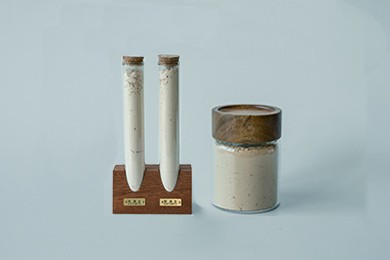
In recent years, there has been a growing curiosity about the potential applications of bleaching earth beyond its traditional uses. As a leading supplier of bleaching earth, I've often been asked if this versatile material can find a place in the aviation industry. In this blog, we'll explore the properties of bleaching earth, its existing uses, and analyze whether it can be used in aviation.
Understanding Bleaching Earth
Bleaching earth, also known as activated clay or fullers earth, is a natural or synthetic clay material that has been processed to increase its adsorptive properties. It is typically composed of montmorillonite or bentonite clays, which have a high surface area and cation - exchange capacity. These properties allow bleaching earth to adsorb impurities, color bodies, and other contaminants from various substances.
There are different types of bleaching earth available in the market, such as Active Clay for Food, Activated Bleaching Clay, and Bleaching Earth for Edible Oil. Each type is tailored to specific applications based on its adsorption capacity, particle size, and other physical and chemical properties.
Traditional Uses of Bleaching Earth
The most common application of bleaching earth is in the edible oil industry. It is used to remove color, odor, and other impurities from vegetable oils, such as soybean oil, palm oil, and sunflower oil. During the refining process, bleaching earth is added to the crude oil, and the mixture is heated and stirred. The bleaching earth adsorbs the unwanted substances, and then it is separated from the oil by filtration.
Bleaching earth is also used in the petroleum industry. It can be employed to purify lubricating oils, diesel fuels, and other petroleum products. In this context, it helps to remove polar compounds, oxidation products, and other contaminants that can affect the performance and stability of the fuels and oils.
Another significant use is in the production of animal feed. It can adsorb mycotoxins, which are harmful substances produced by fungi, from feed ingredients. This helps to improve the quality and safety of the animal feed.
Can Bleaching Earth be Used in the Aviation Industry?
To determine whether bleaching earth can be used in the aviation industry, we need to consider the specific requirements and challenges of this sector.


Fuel Purification
Aviation fuels, such as Jet A - 1 and Jet B, need to meet strict quality standards to ensure the safe and efficient operation of aircraft engines. Contaminants in the fuel can cause engine malfunctions, corrosion, and other problems. Bleaching earth's ability to adsorb impurities makes it a potential candidate for fuel purification.
It could potentially be used to remove trace amounts of water, sulfur compounds, and other contaminants from aviation fuel. However, there are several challenges. Aviation fuels have very low tolerance for any additives or impurities that could affect their performance. The addition of bleaching earth would need to be carefully controlled to ensure that it does not introduce new contaminants or alter the fuel's physical and chemical properties, such as its viscosity, flash point, and freezing point.
Lubricant Purification
Aircraft engines rely on high - performance lubricants to reduce friction, wear, and heat. These lubricants need to be kept clean and free from contaminants. Bleaching earth could be used to purify the lubricants during the manufacturing process or during in - service maintenance.
Similar to fuel purification, the use of bleaching earth in lubricant purification would require careful consideration. The lubricants have specific formulations and performance requirements, and the addition of bleaching earth must not compromise their ability to protect the engine components.
Water Separation
Water in aviation fuel and lubricants can be a serious problem. It can cause corrosion, ice formation in fuel lines at high altitudes, and microbial growth. Bleaching earth has some water - adsorbing properties, so it could potentially be used as a water separator.
However, the aviation industry already has well - established methods for water separation, such as coalescers and water - absorbing filters. These methods are highly efficient and reliable. To be considered as an alternative, bleaching earth would need to demonstrate superior performance in terms of water removal capacity, cost - effectiveness, and compatibility with existing systems.
Composite Materials
In the aviation industry, composite materials are widely used due to their high strength - to - weight ratio. Bleaching earth could potentially be incorporated into composite materials as a filler or additive. It could improve the mechanical properties, such as strength and stiffness, of the composites.
However, the compatibility of bleaching earth with the matrix materials (e.g., resins) and the manufacturing processes of composite materials needs to be thoroughly investigated. Any addition to the composite materials must not compromise their performance under the extreme conditions of flight, such as high temperatures, pressures, and vibrations.
Advantages and Disadvantages of Using Bleaching Earth in Aviation
Advantages
- Adsorption Capability: Bleaching earth's ability to adsorb a wide range of contaminants could potentially improve the quality of aviation fuels and lubricants, leading to better engine performance and longer component life.
- Natural and Abundant: It is a natural material, and in many cases, it is abundant and relatively inexpensive compared to some synthetic purification agents.
- Versatility: It has multiple potential applications in the aviation industry, from fuel and lubricant purification to composite material enhancement.
Disadvantages
- Compatibility Issues: As mentioned earlier, there are significant challenges in ensuring that bleaching earth is compatible with aviation fuels, lubricants, and composite materials without causing any negative effects on their performance.
- Regulatory Hurdles: The aviation industry is highly regulated, and any new material or process needs to undergo extensive testing and certification before it can be used. This can be a time - consuming and costly process.
- Lack of Industry Experience: There is currently limited experience in using bleaching earth in the aviation industry. This means that there is a lack of data and knowledge about its long - term performance and potential risks.
Future Research and Development
To explore the potential of bleaching earth in the aviation industry, further research and development are needed.
- Compatibility Testing: Comprehensive compatibility tests should be conducted to determine the effects of bleaching earth on aviation fuels, lubricants, and composite materials. This includes testing for changes in physical and chemical properties, as well as long - term performance under simulated flight conditions.
- Process Optimization: If bleaching earth is found to be suitable for certain applications, the processes for its use need to be optimized. This includes determining the optimal dosage, contact time, and separation methods.
- Regulatory Engagement: Engaging with aviation regulatory authorities early in the research and development process is crucial. This will help to ensure that any new applications of bleaching earth meet the necessary safety and performance standards.
Conclusion
While bleaching earth has shown great potential in many industries, its use in the aviation industry is still in the early stages of exploration. Its ability to adsorb impurities makes it a candidate for fuel purification, lubricant purification, water separation, and composite material enhancement. However, there are significant challenges related to compatibility, regulatory compliance, and lack of industry experience.
If you are interested in exploring the potential of bleaching earth in your aviation - related operations or have any questions about our products, I encourage you to contact us for further discussion and potential procurement opportunities. We are committed to working with the aviation industry to develop innovative solutions and contribute to the safe and efficient operation of aircraft.
References
- ASTM International. (2023). ASTM standards for aviation fuels and lubricants.
- International Air Transport Association (IATA). (2023). Aviation fuel quality requirements.
- Various research papers on the properties and applications of bleaching earth in different industries.