In the era of increasing water scarcity and growing environmental concerns, water recycling systems have emerged as a crucial solution to conserve this precious resource. These systems play a pivotal role in industries, municipalities, and even in individual households by treating and reusing water that would otherwise be wasted. One of the key components in an effective water recycling system is the filtration unit, which removes various contaminants from the water. Among the many filtration materials available, diatomaceous earth has gained significant attention. As a supplier of Diatomaceous Earth for Filter, I am excited to delve into the question: Can diatomaceous earth filter be used in a water recycling system?
Understanding Diatomaceous Earth
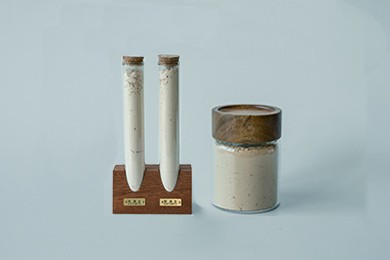
Diatomaceous earth (DE) is a naturally occurring, soft, sedimentary rock that is easily crumbled into a fine white to off - white powder. It is composed of the fossilized remains of diatoms, a type of hard - shelled algae. These diatoms have intricate and porous structures, which give diatomaceous earth its unique filtration properties. The small pores in DE particles can trap a wide range of contaminants, including suspended solids, bacteria, and even some viruses.
The chemical composition of diatomaceous earth is mainly silica, with varying amounts of other elements such as aluminum, iron, and calcium. Its physical characteristics, such as high porosity, low density, and large surface area, make it an ideal candidate for filtration applications.
How Diatomaceous Earth Filters Work
In a filtration process, diatomaceous earth is typically used in one of two ways: as a pre - coat or as a body feed. When used as a pre - coat, a thin layer of DE is applied to a filter element, such as a filter cloth or a screen. This pre - coat acts as a barrier, capturing contaminants as water passes through it. As the filtration process continues, additional DE can be added as a body feed. The body feed mixes with the incoming water and helps to build up the filter cake, which further enhances the filtration efficiency.


The filtration mechanism of diatomaceous earth is based on a combination of mechanical straining and adsorption. The small pores in the DE particles physically trap suspended solids, while the surface of the particles can adsorb certain dissolved substances and microorganisms. This dual - action filtration makes diatomaceous earth filters highly effective in removing a wide range of contaminants from water.
Advantages of Using Diatomaceous Earth Filters in Water Recycling Systems
High Filtration Efficiency
One of the main advantages of using diatomaceous earth filters in water recycling systems is their high filtration efficiency. DE filters can remove particles as small as a few micrometers, including fine silt, clay, and even some bacteria and viruses. This level of filtration is often difficult to achieve with other types of filters, such as sand filters or cartridge filters. For example, in industrial water recycling applications where high - quality water is required for specific processes, diatomaceous earth filters can provide the necessary level of purification.
Versatility
Diatomaceous earth filters are versatile and can be used in a variety of water recycling systems. They can be applied in both small - scale domestic water recycling systems and large - scale industrial and municipal water treatment plants. Whether it is treating wastewater from a manufacturing process or recycling water in a swimming pool, DE filters can be customized to meet the specific filtration requirements.
Cost - Effectiveness
In the long run, diatomaceous earth filters can be cost - effective. Although the initial cost of setting up a DE filtration system may be higher than some other types of filters, the operating costs are relatively low. The amount of diatomaceous earth required for filtration is relatively small, and it can be easily replaced when the filter cake becomes clogged. Additionally, the high filtration efficiency of DE filters can reduce the need for additional treatment steps, which can save on overall treatment costs.
Challenges and Limitations
Clogging
One of the main challenges of using diatomaceous earth filters is clogging. As the filter cake builds up, the flow rate of water through the filter can decrease significantly. This requires regular backwashing or replacement of the filter cake to maintain the filtration efficiency. In some cases, if the water being treated contains a high concentration of contaminants, the filter may clog more quickly, which can increase the maintenance requirements.
Disposal of Spent Diatomaceous Earth
Another limitation is the disposal of spent diatomaceous earth. Once the filter cake is removed from the filter, it contains a significant amount of trapped contaminants. Depending on the nature of these contaminants, the spent DE may need to be disposed of in an environmentally responsible manner. In some cases, the spent DE may be considered hazardous waste, which requires special handling and disposal procedures.
Applications in Water Recycling Systems
Industrial Water Recycling
In industries such as food and beverage, pharmaceuticals, and chemical manufacturing, water recycling is essential to reduce water consumption and comply with environmental regulations. Diatomaceous earth filters can be used to remove contaminants from process wastewater, allowing the water to be reused in the production process. For example, in the Diatomite Filter Aid for Sugar industry, DE filters are used to clarify sugar solutions by removing impurities such as suspended solids and color - causing substances.
Municipal Water Recycling
Municipalities are increasingly turning to water recycling to meet the growing demand for water. Diatomaceous earth filters can be incorporated into municipal water treatment plants to treat wastewater before it is reused for non - potable purposes, such as irrigation or industrial cooling. The high filtration efficiency of DE filters can help to remove pathogens and other contaminants from the wastewater, ensuring that the recycled water is safe for its intended use.
Domestic Water Recycling
In individual households, water recycling systems can be used to reuse water from activities such as laundry and dishwashing for flushing toilets or watering plants. Diatomaceous earth filters can be a part of these small - scale water recycling systems, providing an effective way to remove contaminants from the used water. The Diatomaceous Earth Filter Material can be easily installed in a home - based filtration unit, and its relatively low cost makes it an attractive option for homeowners.
Conclusion
In conclusion, diatomaceous earth filters can indeed be used in a water recycling system. Their unique filtration properties, high efficiency, and versatility make them a valuable component in various water recycling applications. However, it is important to be aware of the challenges and limitations associated with using DE filters, such as clogging and proper disposal of spent material.
As a supplier of Diatomaceous Earth for Filtration, I am committed to providing high - quality diatomaceous earth products that meet the specific needs of water recycling systems. If you are interested in incorporating diatomaceous earth filters into your water recycling project, I encourage you to reach out for more information and to discuss potential procurement opportunities. We can work together to design a filtration solution that is both effective and sustainable.
References
- "Diatomaceous Earth: A Versatile Filter Aid", Filtration & Separation Magazine.
- "Water Recycling and Reuse Handbook", CRC Press.
- "Industrial Water Treatment Technology", McGraw - Hill.