


As a supplier of Diatomaceous Earth for Food, I often encounter inquiries from customers regarding the presence of heavy metals in our product. This concern is entirely valid, considering the potential health risks associated with heavy metal ingestion. In this blog post, I will delve into the topic of whether diatomaceous earth for food contains heavy metals, providing a scientific and comprehensive analysis to address your concerns.
Understanding Diatomaceous Earth for Food
Diatomaceous earth is a naturally occurring sedimentary rock composed of the fossilized remains of diatoms, a type of microscopic algae. These diatoms have a unique silica-based cell wall, which gives diatomaceous earth its characteristic porous and lightweight structure. Due to its high silica content and physical properties, diatomaceous earth has a wide range of applications, including as a food additive, filter aid, and insecticide.
When it comes to food-grade diatomaceous earth, it is specifically processed and refined to meet strict safety standards for human consumption. Food-grade diatomaceous earth is typically sourced from high-quality deposits and undergoes a series of purification steps to remove impurities, including heavy metals, organic matter, and other contaminants. This ensures that the final product is safe for use in food applications, such as animal feed, human dietary supplements, and food processing.
Heavy Metals in Diatomaceous Earth
Heavy metals are a group of metallic elements with relatively high atomic weights and densities. Some common heavy metals include lead, mercury, cadmium, arsenic, and chromium. These metals can be found naturally in the environment, but human activities such as mining, industrial processes, and agriculture can also contribute to their presence in soil, water, and air.
In the case of diatomaceous earth, the presence of heavy metals can vary depending on the source of the deposit and the processing methods used. While diatomaceous earth itself is generally low in heavy metals, it is possible for trace amounts of these metals to be present due to natural geological processes or contamination during mining and processing.
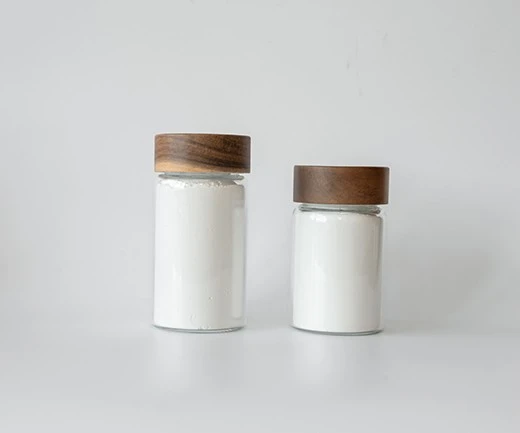

However, it is important to note that the presence of trace amounts of heavy metals in diatomaceous earth does not necessarily mean that it is unsafe for human consumption. Regulatory agencies around the world have established strict limits for heavy metal content in food and dietary supplements to ensure consumer safety. For example, the United States Food and Drug Administration (FDA) has set limits for lead, mercury, cadmium, and arsenic in food and dietary supplements, and food-grade diatomaceous earth must comply with these limits to be sold in the United States.
Testing and Quality Control
At our company, we take the safety and quality of our diatomaceous earth for food very seriously. We source our diatomaceous earth from carefully selected deposits that are known for their high quality and low heavy metal content. Before the diatomaceous earth is processed into food-grade products, it undergoes rigorous testing to ensure that it meets our strict quality standards and regulatory requirements.
We use state-of-the-art analytical techniques, such as atomic absorption spectroscopy (AAS) and inductively coupled plasma mass spectrometry (ICP-MS), to accurately measure the heavy metal content in our diatomaceous earth. These techniques are highly sensitive and can detect trace amounts of heavy metals with great precision. In addition to heavy metal testing, we also conduct other quality control tests, such as particle size analysis, moisture content determination, and purity testing, to ensure that our diatomaceous earth meets the highest standards of quality and safety.
Safety and Health Benefits
When used as directed, food-grade diatomaceous earth is generally considered safe for human consumption. In fact, it has been used for centuries as a natural remedy for a variety of health conditions, including digestive problems, skin disorders, and joint pain. Some of the potential health benefits of food-grade diatomaceous earth include:
- Detoxification: Diatomaceous earth has a high surface area and a negative charge, which allows it to attract and bind to toxins, heavy metals, and other harmful substances in the body. This can help to remove these toxins from the body and promote overall health and well-being.
- Digestive Health: Diatomaceous earth can act as a natural fiber, which can help to promote regular bowel movements and improve digestive health. It can also help to reduce inflammation in the digestive tract and relieve symptoms of constipation, diarrhea, and other digestive problems.
- Skin Health: Diatomaceous earth can be used topically as a natural exfoliant to remove dead skin cells and impurities from the skin. It can also help to reduce inflammation and redness in the skin and promote a healthy, glowing complexion.
- Joint Health: Diatomaceous earth contains silica, which is an important mineral for the health of bones, joints, and connective tissues. Silica can help to strengthen bones and joints, reduce inflammation, and improve mobility and flexibility.
Conclusion
In conclusion, food-grade diatomaceous earth is a safe and natural product that can provide a variety of health benefits when used as directed. While it is possible for trace amounts of heavy metals to be present in diatomaceous earth, our company takes strict measures to ensure that our products meet the highest standards of quality and safety. We source our diatomaceous earth from high-quality deposits, process it using state-of-the-art techniques, and conduct rigorous testing to ensure that it is free from harmful contaminants, including heavy metals.
If you are interested in learning more about our diatomaceous earth for food products or have any questions about heavy metals in diatomaceous earth, please do not hesitate to contact us. We would be happy to provide you with more information and answer any questions you may have. You can also visit our website to learn more about our products and services:
- Diatomite Filter Aid for Beer
- Diatomaceous Earth Filter Material
- How Much Is A Ton Of Diatomaceous Earth
We look forward to hearing from you and helping you to find the right diatomaceous earth for your needs.
References
- United States Food and Drug Administration (FDA). (2023). Food Additives and Ingredients. Retrieved from FDA Website
- European Food Safety Authority (EFSA). (2023). Scientific Opinion on the safety of diatomaceous earth as a feed additive for all animal species. Retrieved from EFSA Website
- National Center for Biotechnology Information (NCBI). (2023). Diatomaceous Earth. Retrieved from NCBI Website


