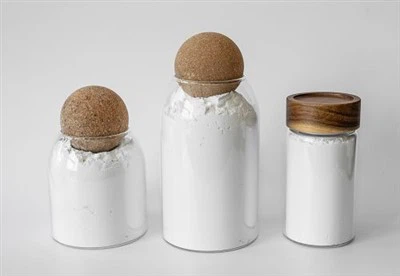
Hey there! I'm a supplier of industrial diatomaceous earth, and today I wanna chat about how this amazing stuff can be used in geothermal well drilling.
What is Industrial Diatomaceous Earth?
First off, let's get a quick lowdown on what industrial diatomaceous earth is. It's made up of the fossilized remains of diatoms, which are tiny, single - celled algae. These diatoms have hard, porous silica shells. When we collect and process them, we get this super - useful material. It's got some really cool properties like high porosity, low density, and good chemical stability.
Why Geothermal Well Drilling?
Geothermal energy is a big deal these days. It's a renewable energy source that uses the heat from the Earth's interior. Drilling geothermal wells is a crucial step in tapping into this energy. But it's not easy. There are a lot of challenges like high temperatures, high pressures, and the need to keep the wellbore stable. That's where industrial diatomaceous earth comes in.
Applications in Geothermal Well Drilling
1. Filtration
One of the main uses of industrial diatomaceous earth in geothermal well drilling is filtration. During the drilling process, drilling fluids are used to cool the drill bit, carry the cuttings to the surface, and maintain wellbore pressure. These fluids can get contaminated with all sorts of debris. That's when diatomaceous earth acts like a champ. You can check out more about Diatomaceous Earth for Filter.
The porous structure of diatomaceous earth allows it to trap solid particles while letting the fluid pass through. It can remove fine particles, silt, and even some microorganisms from the drilling fluid. This helps in keeping the drilling fluid clean and efficient. A clean drilling fluid means better lubrication for the drill bit, which in turn reduces wear and tear and extends the life of the equipment.
2. Wellbore Stability
Geothermal wells are often drilled in formations that are under high stress. Maintaining wellbore stability is essential to prevent collapses and other issues. Industrial diatomaceous earth can be added to the drilling mud to improve its rheological properties.
When mixed with the drilling mud, diatomaceous earth can increase the viscosity and gel strength of the mud. This helps in creating a stable filter cake on the wellbore wall. The filter cake acts as a barrier, preventing the drilling fluid from seeping into the formation and also providing support to the wellbore. It's like putting a protective shield around the wellbore.
3. Thermal Insulation
Geothermal wells are exposed to extremely high temperatures. We need to make sure that the heat doesn't cause damage to the equipment or the wellbore itself. Diatomaceous earth has good thermal insulation properties.
By adding diatomaceous earth to the drilling materials, we can create a layer of insulation around the wellbore. This helps in reducing heat transfer from the hot geothermal fluids to the surrounding environment. It keeps the temperature of the drilling equipment within an acceptable range, which is crucial for its proper functioning.
4. Cementing
Cementing is another important process in geothermal well drilling. It's used to seal the annulus between the casing and the wellbore. Industrial diatomaceous earth can be used as an additive in cement slurries. You can find out more about Flux Calcined Kieselguhr, which is a type of processed diatomaceous earth that can be used in such applications.
Adding diatomaceous earth to the cement slurry can improve its strength, durability, and resistance to high temperatures. It also helps in reducing the permeability of the cement, which is important for preventing fluid migration between different zones in the well.
Cost - effectiveness
Now, you might be wondering about the cost. Well, the cost of industrial diatomaceous earth is quite reasonable. You can check How Much Is A Ton Of Diatomaceous Earth to get an idea. When you consider the benefits it brings to geothermal well drilling, it's a cost - effective solution.


It helps in reducing equipment downtime, extending the life of the drilling tools, and improving the overall efficiency of the drilling process. All these factors contribute to cost savings in the long run.
Conclusion
In conclusion, industrial diatomaceous earth is a versatile and valuable material in geothermal well drilling. Its filtration, wellbore stability, thermal insulation, and cementing properties make it an essential component in the drilling process. If you're involved in geothermal well drilling, you should definitely consider using industrial diatomaceous earth.
If you're interested in purchasing industrial diatomaceous earth for your geothermal well drilling projects, I'd love to have a chat with you. Let's discuss how we can meet your specific needs and make your drilling operations more efficient and cost - effective.
References
- "Geothermal Energy: Utilization and Technology" by John W. Lund and Paul Lienau
- "Drilling Engineering Handbook" by John A. Dawson and Michael W. Paslay
- Technical papers on the application of diatomaceous earth in the oil and gas industry published by various research institutions.