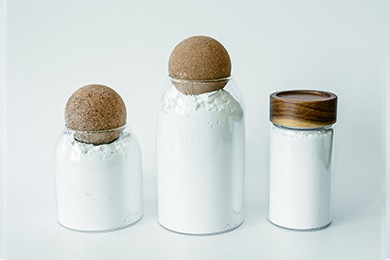
As a supplier of Diatomite Filter Aid, I've witnessed firsthand the transformative power of this remarkable material in wastewater treatment. Diatomite, a naturally occurring sedimentary rock composed of the fossilized remains of diatoms, offers exceptional filtration properties that can significantly enhance the efficiency and effectiveness of wastewater treatment processes. In this blog post, I'll share some insights on how to optimize the use of Diatomite Filter Aid in wastewater treatment, drawing on my experience in the industry.
Understanding the Basics of Diatomite Filter Aid
Before delving into optimization strategies, it's essential to understand the fundamental properties of Diatomite Filter Aid. Diatomite is characterized by its high porosity, large surface area, and unique particle structure, which make it an ideal medium for filtration. When used in wastewater treatment, Diatomite Filter Aid acts as a physical barrier, trapping suspended solids, colloids, and other contaminants as water passes through it.
There are several types of Diatomite Filter Aid available, each with its own unique characteristics and applications. Diatomaceous Earth Filter Material is a popular choice for general wastewater treatment applications, offering excellent filtration efficiency and high flow rates. Diatomite Of Shengtai is another option, known for its superior adsorption properties and ability to remove a wide range of contaminants, including heavy metals and organic compounds. Filter Grade Diatomaceous Earth is specifically designed for high-precision filtration applications, such as the removal of fine particles and microorganisms.
Selecting the Right Diatomite Filter Aid
The first step in optimizing the use of Diatomite Filter Aid in wastewater treatment is selecting the right product for your specific application. When choosing a Diatomite Filter Aid, consider the following factors:
Particle Size
The particle size of the Diatomite Filter Aid plays a crucial role in determining its filtration efficiency. Smaller particle sizes generally offer better filtration performance, as they can trap smaller particles and provide a more uniform filter cake. However, smaller particle sizes may also result in lower flow rates and higher pressure drops, so it's important to strike a balance between filtration efficiency and flow rate.
Pore Size Distribution
The pore size distribution of the Diatomite Filter Aid affects its ability to remove different types of contaminants. A filter aid with a narrow pore size distribution is more effective at removing particles of a specific size range, while a filter aid with a broader pore size distribution can remove a wider range of particle sizes. Consider the nature of the contaminants in your wastewater when selecting a Diatomite Filter Aid with the appropriate pore size distribution.
Chemical Composition
The chemical composition of the Diatomite Filter Aid can also impact its performance in wastewater treatment. Some filter aids may contain impurities or additives that can react with the contaminants in the wastewater, affecting the filtration process. Choose a Diatomite Filter Aid that is chemically inert and free from contaminants to ensure optimal performance.
Application Requirements
Finally, consider the specific requirements of your wastewater treatment application when selecting a Diatomite Filter Aid. Factors such as the flow rate, pressure, temperature, and pH of the wastewater can all affect the performance of the filter aid. Consult with a technical expert or the manufacturer of the Diatomite Filter Aid to determine the most suitable product for your application.
Proper Installation and Operation
Once you've selected the right Diatomite Filter Aid for your application, it's important to ensure proper installation and operation of the filtration system. Here are some tips to help you optimize the performance of your Diatomite Filter Aid:
Precoat Application
The precoat is a thin layer of Diatomite Filter Aid that is applied to the filter medium before the start of the filtration process. The precoat helps to prevent the contaminants from clogging the filter medium and provides a uniform filtration surface. To apply the precoat, mix the Diatomite Filter Aid with water to form a slurry and then pump the slurry through the filter system until a uniform layer of filter aid is formed on the filter medium.
Body Feed Addition
In addition to the precoat, a body feed of Diatomite Filter Aid is typically added to the wastewater during the filtration process. The body feed helps to maintain the porosity of the filter cake and prevent the formation of a compacted layer of contaminants on the filter medium. The amount of body feed required depends on the nature and concentration of the contaminants in the wastewater, as well as the filtration rate and pressure.
Filtration Rate and Pressure
The filtration rate and pressure are important parameters that can affect the performance of the Diatomite Filter Aid. A higher filtration rate may result in a lower filtration efficiency, as the contaminants may not have enough time to be trapped by the filter aid. On the other hand, a higher pressure may cause the filter cake to become compacted, reducing the flow rate and increasing the risk of filter breakthrough. Monitor the filtration rate and pressure closely and adjust them as needed to ensure optimal performance.


Backwashing and Regeneration
Over time, the filter cake will become saturated with contaminants and will need to be removed to maintain the performance of the filtration system. Backwashing is a common method used to remove the filter cake from the filter medium. During backwashing, water is pumped through the filter system in the opposite direction of the normal flow, dislodging the filter cake and flushing it out of the system. After backwashing, the filter medium may need to be regenerated by applying a new precoat of Diatomite Filter Aid.
Monitoring and Maintenance
Regular monitoring and maintenance are essential to ensure the long-term performance and reliability of your Diatomite Filter Aid filtration system. Here are some key aspects to consider:
Contaminant Removal Efficiency
Monitor the contaminant removal efficiency of the filtration system regularly to ensure that it is meeting your treatment goals. This can be done by analyzing the quality of the influent and effluent water using appropriate analytical methods. If the contaminant removal efficiency is not satisfactory, adjust the operating parameters of the filtration system or consider using a different type of Diatomite Filter Aid.
Filter Cake Thickness and Composition
Monitor the thickness and composition of the filter cake regularly to ensure that it is not becoming too thick or compacted. A thick or compacted filter cake can reduce the flow rate and increase the pressure drop across the filter system, leading to decreased performance and increased energy consumption. If the filter cake thickness exceeds the recommended limit, backwash the filter system to remove the excess filter cake.
Equipment Inspection and Maintenance
Regularly inspect the filtration equipment, including the filter housing, pumps, valves, and piping, for signs of wear, damage, or leaks. Replace any worn or damaged components promptly to prevent system failures and ensure the safe and efficient operation of the filtration system. Follow the manufacturer's recommended maintenance schedule for the equipment to keep it in good working condition.
Training and Documentation
Provide proper training to the operators of the filtration system to ensure that they understand how to operate and maintain the equipment correctly. Keep detailed records of the operating parameters, maintenance activities, and analytical results for the filtration system. These records can be used to troubleshoot problems, optimize the performance of the system, and demonstrate compliance with regulatory requirements.
Conclusion
Optimizing the use of Diatomite Filter Aid in wastewater treatment requires a comprehensive approach that includes selecting the right product, proper installation and operation, and regular monitoring and maintenance. By following the tips and guidelines outlined in this blog post, you can maximize the efficiency and effectiveness of your Diatomite Filter Aid filtration system, ensuring the reliable and cost-effective treatment of your wastewater.
If you're interested in learning more about our Diatomite Filter Aid products or need assistance with optimizing your wastewater treatment process, please don't hesitate to contact us. Our team of experts is available to provide you with personalized solutions and support to meet your specific needs.
References
- American Water Works Association. (2017). Water Quality and Treatment: A Handbook of Community Water Supplies. McGraw-Hill Education.
- Cheremisinoff, N. P. (2002). Handbook of Water and Wastewater Treatment Technologies. Butterworth-Heinemann.
- USEPA. (2018). Wastewater Technology Fact Sheet: Diatomaceous Earth Filtration. United States Environmental Protection Agency.