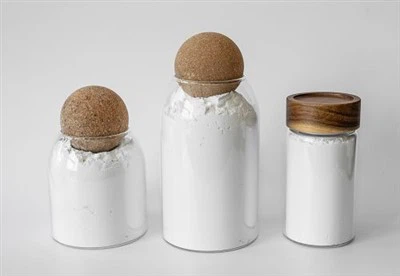
As a supplier of Diatomite Filter Aid for Sugar, I've witnessed firsthand the growing importance of sustainable practices in the sugar industry. Diatomite filter aids play a crucial role in the sugar refining process, helping to remove impurities and clarify the sugar solution. However, the disposal of used diatomite filter aids can pose environmental challenges. In this blog post, I'll share some insights on how to recycle diatomite filter aid for sugar in an environmentally friendly way.
The Role of Diatomite Filter Aid in Sugar Production
Diatomite, also known as diatomaceous earth, is a naturally occurring sedimentary rock composed of the fossilized remains of diatoms, a type of microscopic algae. It has unique physical properties, such as high porosity, large surface area, and low density, which make it an ideal filter aid for various industries, including the sugar industry.
In sugar production, diatomite filter aids are used in the filtration process to remove suspended solids, colloids, and other impurities from the sugar solution. The filter aid forms a porous cake on the filter medium, which traps the impurities and allows the clear sugar solution to pass through. This helps to improve the clarity, color, and quality of the final sugar product.
There are different types of diatomite filter aids available for sugar production, including Flux Calcined Kieselguhr, Filter Grade Diatomaceous Earth, and Diatomaceous Earth for Filtration. Each type has its own unique characteristics and is suitable for different filtration applications.
Environmental Challenges of Diatomite Filter Aid Disposal
While diatomite filter aids are effective in improving the quality of sugar products, the disposal of used filter aids can be a significant environmental concern. Traditional disposal methods, such as landfilling, can lead to the accumulation of large amounts of waste in landfills, which can take up valuable land space and potentially contaminate the soil and groundwater.
In addition, the untreated used filter aids may contain residual sugar, chemicals, and microorganisms, which can pose a risk to the environment and human health if not properly managed. Therefore, it is essential to find environmentally friendly ways to recycle and reuse diatomite filter aids to minimize their environmental impact.
Environmentally Friendly Recycling Methods
1. Regeneration and Reuse
One of the most effective ways to recycle diatomite filter aids is through regeneration and reuse. The regeneration process involves removing the impurities and contaminants from the used filter aids to restore their filtration properties. There are several methods for regenerating diatomite filter aids, including:
- Washing and Sieving: This method involves washing the used filter aids with water to remove the residual sugar and other soluble impurities. The washed filter aids are then sieved to remove the larger particles and debris. The regenerated filter aids can be reused in the filtration process, reducing the need for new filter aids.
- Thermal Treatment: Thermal treatment involves heating the used filter aids at high temperatures to burn off the organic matter and contaminants. This method can effectively remove the impurities and restore the porosity and filtration properties of the filter aids. However, thermal treatment requires specialized equipment and energy, and it may also generate air pollutants if not properly controlled.
- Chemical Treatment: Chemical treatment involves treating the used filter aids with chemicals to dissolve or remove the impurities. This method can be effective in removing specific contaminants, but it may also require the use of hazardous chemicals, which need to be properly managed to avoid environmental pollution.
2. Co - processing in Cement Production
Another environmentally friendly option for recycling diatomite filter aids is co - processing in cement production. Diatomite contains silica, which is an important raw material for cement production. The used diatomite filter aids can be added to the cement kiln as a supplementary raw material, replacing a portion of the traditional raw materials such as limestone and clay.
Co - processing the used filter aids in cement production not only reduces the amount of waste sent to landfills but also helps to conserve natural resources and reduce the energy consumption and greenhouse gas emissions associated with cement production. However, it is important to ensure that the used filter aids meet the quality requirements of the cement industry and do not contain any harmful substances that could affect the quality of the cement.
3. Biodegradation and Composting
For the organic components in the used diatomite filter aids, biodegradation and composting can be a viable recycling option. The used filter aids can be mixed with other organic materials, such as agricultural waste and manure, and composted under controlled conditions.

During the composting process, microorganisms break down the organic matter in the filter aids, producing a nutrient - rich compost that can be used as a soil conditioner or fertilizer. This method not only reduces the volume of waste but also provides a sustainable way to recycle the organic components of the filter aids.
Benefits of Environmentally Friendly Recycling
- Environmental Protection: Recycling diatomite filter aids in an environmentally friendly way helps to reduce the amount of waste sent to landfills, conserve natural resources, and minimize the environmental impact of sugar production.
- Cost Savings: Reusing the regenerated filter aids or co - processing them in other industries can reduce the cost of purchasing new filter aids and waste disposal, leading to significant cost savings for sugar producers.
- Sustainable Development: By adopting environmentally friendly recycling practices, the sugar industry can contribute to sustainable development and meet the growing demand for environmentally responsible products.
Implementing Recycling Programs
To successfully implement recycling programs for diatomite filter aids, sugar producers and suppliers need to work together. Here are some key steps:
- Education and Training: Provide education and training to sugar producers on the importance of recycling diatomite filter aids and the available recycling methods. This can help to raise awareness and encourage the adoption of sustainable practices.
- Technology and Equipment: Invest in the development and implementation of advanced recycling technologies and equipment to ensure the efficient and effective recycling of diatomite filter aids.
- Quality Control: Establish quality control measures to ensure that the recycled filter aids meet the required quality standards for reuse in the sugar production process or other industries.
- Collaboration and Partnerships: Collaborate with other industries, such as the cement industry and composting facilities, to explore new recycling opportunities and develop integrated waste management solutions.
Conclusion
As a supplier of Diatomite Filter Aid for Sugar, I believe that it is our responsibility to promote environmentally friendly practices in the sugar industry. Recycling diatomite filter aids in an environmentally friendly way is not only beneficial for the environment but also for the long - term sustainability of the sugar industry.
By adopting regeneration and reuse, co - processing in cement production, and biodegradation and composting methods, we can effectively reduce the environmental impact of diatomite filter aid disposal and contribute to a more sustainable future.
If you are interested in learning more about our Diatomite Filter Aid for Sugar products or exploring environmentally friendly recycling solutions, please feel free to contact us for further discussion and procurement negotiation.
References
- Smith, J. (2020). "Sustainable Filtration Practices in the Sugar Industry." Journal of Sugar Technology, 22(3), 123 - 132.
- Johnson, A. (2019). "Recycling of Industrial Filter Aids: A Review." Waste Management, 89, 45 - 56.
- Brown, C. (2021). "Co - processing of Industrial Wastes in Cement Production." Cement and Concrete Research, 145, 106456.