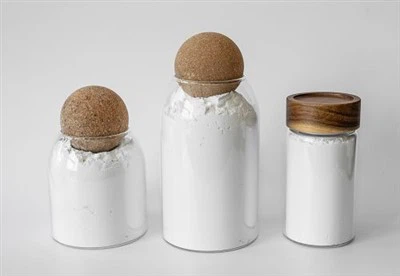
Calcined diatomaceous earth is a versatile and valuable product with a wide range of applications. As a supplier of calcined diatomaceous earth, I often receive inquiries about its various properties, one of the most common being its hardness. In this blog post, I will delve into the concept of the hardness of calcined diatomaceous earth, exploring what it means, how it is measured, and why it matters in different industries.
Understanding Diatomaceous Earth and Its Calcination Process
Before we discuss the hardness of calcined diatomaceous earth, it's important to understand what diatomaceous earth is and how it becomes calcined. Diatomaceous earth is a naturally occurring sedimentary rock that is composed of the fossilized remains of diatoms, a type of hard - shelled algae. These microscopic organisms have intricate and porous silica skeletons.
The calcination process involves heating diatomaceous earth at high temperatures, typically between 800 - 1200°C. This heat treatment transforms the physical and chemical properties of the diatomaceous earth. During calcination, the organic matter is burned off, and the silica structure is modified, resulting in a product with enhanced properties such as increased porosity, surface area, and in some cases, hardness.
Defining Hardness in the Context of Calcined Diatomaceous Earth
Hardness is a measure of a material's resistance to deformation, scratching, or abrasion. In the case of calcined diatomaceous earth, hardness can be understood in terms of its ability to withstand mechanical forces without breaking down or losing its structural integrity.
There are several factors that contribute to the hardness of calcined diatomaceous earth. The degree of calcination plays a crucial role. Higher calcination temperatures generally lead to a more crystalline and harder structure. The purity of the original diatomaceous earth also matters. If the raw material contains fewer impurities, the calcined product is likely to have a more consistent and potentially harder structure.
Measuring the Hardness of Calcined Diatomaceous Earth
There are different methods to measure the hardness of materials, and for calcined diatomaceous earth, some of the commonly used techniques include:
Mohs Hardness Scale
The Mohs hardness scale is a qualitative scale that ranks minerals based on their ability to scratch one another. On this scale, talc is the softest mineral with a hardness of 1, and diamond is the hardest with a hardness of 10. Calcined diatomaceous earth typically has a Mohs hardness in the range of 6 - 7. This means it is relatively hard and can scratch minerals with a lower Mohs hardness, such as feldspar (hardness of about 6).
Abrasion Resistance Testing
Abrasion resistance testing involves subjecting the calcined diatomaceous earth to a specific abrasive force and measuring the amount of material that is worn away. This test gives an indication of how well the product can withstand wear and tear in applications where it is exposed to friction. For example, in industrial filtration processes where the diatomaceous earth is used as a filter aid, it needs to have good abrasion resistance to maintain its filtering efficiency over time.
Importance of Hardness in Different Applications
Filtration Applications
In filtration applications, the hardness of calcined diatomaceous earth is of utmost importance. When used as a filter aid, it forms a porous cake on the filter medium. A harder diatomaceous earth can better withstand the pressure exerted during the filtration process without being crushed or compacted. This ensures that the pores in the filter cake remain open, allowing for efficient flow of the liquid being filtered while still retaining the solid particles.
For high - pressure filtration processes, such as those in the beverage industry or chemical processing, a harder calcined diatomaceous earth is preferred. Our Diatomite For Filtration products are carefully processed to have the right balance of hardness and porosity to meet the demanding requirements of these applications.
Paints and Coatings
In the paints and coatings industry, calcined diatomaceous earth is used as a filler and extender. The hardness of the diatomaceous earth contributes to the durability and scratch - resistance of the paint or coating. A harder filler can help protect the surface from abrasion, making the painted or coated object last longer. It also improves the overall mechanical properties of the paint film, such as its flexibility and adhesion.
Polishing and Cleaning Products
Calcined diatomaceous earth is also used in polishing and cleaning products. Its hardness allows it to act as an abrasive, capable of removing dirt, stains, and oxidation from various surfaces. Whether it is used in metal polishing compounds or household cleaners, the appropriate level of hardness ensures effective cleaning without causing excessive damage to the surface being cleaned.
Agriculture
In agriculture, calcined diatomaceous earth can be used as a soil amendment or as a pest control agent. The hardness of the product can influence its effectiveness. As a soil amendment, a harder diatomaceous earth can help improve soil structure and aeration. When used for pest control, the sharp edges and relative hardness of the particles can cut through the exoskeletons of insects, leading to their dehydration and death.
Factors Affecting the Consistency of Hardness
As a supplier, I understand the importance of providing a product with consistent hardness. Several factors can affect the consistency of hardness in calcined diatomaceous earth:
Raw Material Variability
The quality and composition of the raw diatomaceous earth can vary from one deposit to another. Different sources may have different levels of impurities, particle size distributions, and silica content. This variability can lead to differences in the hardness of the final calcined product. To ensure consistency, we carefully select and test our raw materials from reliable sources.
Calcination Process Control
The calcination process needs to be precisely controlled to achieve a consistent hardness. Factors such as the heating rate, holding time at the calcination temperature, and cooling rate can all impact the final hardness of the product. Our state - of - the - art calcination facilities are equipped with advanced control systems to maintain the optimal process parameters for each batch of calcined diatomaceous earth.
Comparing the Hardness of Calcined Diatomaceous Earth with Other Materials
When compared to other common materials, calcined diatomaceous earth has unique hardness characteristics. For example, compared to soft fillers like calcium carbonate, calcined diatomaceous earth is significantly harder. This makes it more suitable for applications where abrasion resistance and durability are required.
On the other hand, when compared to extremely hard materials like quartz or corundum, calcined diatomaceous earth is relatively softer. However, its advantage lies in its high porosity, low density, and chemical inertness, which make it a preferred choice in many applications where these properties are more important than extreme hardness.
Quality Assurance and Testing
To ensure that our calcined diatomaceous earth meets the required hardness standards, we have a comprehensive quality assurance program in place. Every batch of our product undergoes rigorous testing using a combination of the methods mentioned earlier, such as Mohs hardness testing and abrasion resistance testing.
We also work closely with our customers to understand their specific requirements and provide products that are tailored to their needs. Whether it's a high - hardness product for a demanding industrial filtration application or a medium - hardness product for a consumer cleaning product, we can customize our offerings to meet the exact specifications.
Conclusion
The hardness of calcined diatomaceous earth is a critical property that determines its suitability for a wide range of applications. From filtration to paints, and from polishing to agriculture, the right level of hardness ensures optimal performance and durability. As a supplier, we are committed to providing high - quality calcined diatomaceous earth with consistent hardness.


If you are interested in learning more about our calcined diatomaceous earth products or have specific requirements for your application, we invite you to contact us for a detailed discussion. Our team of experts is ready to assist you in finding the perfect solution for your needs. Whether you need Diatomite For Filtration, Kieselguhr Filter Aid, or Diatomaceous Earth Powder Food Grade Filter Aid, we are here to help you make the right choice.
References
- "Diatomaceous Earth: Properties, Processing, and Applications" - A comprehensive book on diatomaceous earth that covers various aspects including its physical and chemical properties.
- "Industrial Minerals and Rocks" - A reference book that provides in - depth information on the properties and uses of different industrial minerals, including diatomaceous earth.
- Research papers on the calcination of diatomaceous earth and its impact on hardness and other properties from scientific journals such as the Journal of Materials Science and the International Journal of Mineral Processing.