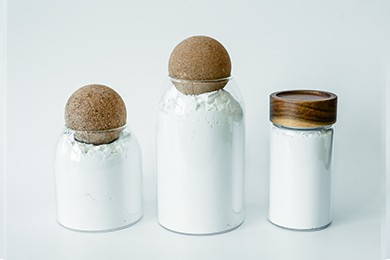
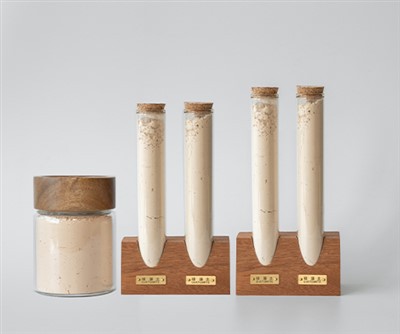
Flux-calcined diatomite filler is a remarkable product in the world of industrial materials. As a supplier of this unique filler, I am excited to delve into the topic of its hardness and explore its significance in various applications.
Understanding Flux - Calcined Diatomite Filler
Diatomite is a sedimentary rock composed mainly of the fossilized remains of diatoms, a type of algae. Flux-calcined diatomite is produced by heating diatomite with a fluxing agent at high temperatures. This process enhances the physical and chemical properties of the diatomite, making it more suitable for use as a filler in a wide range of industries.
The hardness of a material is a crucial property that determines its performance in different applications. In the case of flux-calcined diatomite filler, its hardness plays a vital role in its functionality. Hardness is typically measured using various scales, such as the Mohs scale or the Rockwell scale. For flux-calcined diatomite filler, the hardness is influenced by several factors, including the composition of the diatomite, the calcination process, and the presence of impurities.
Factors Affecting the Hardness of Flux - Calcined Diatomite Filler
- Diatomite Composition: The original diatomite contains different types of silica structures. The quality and purity of the silica in the diatomite can significantly impact the hardness of the final flux - calcined product. High - purity diatomite with well - structured silica tends to result in a harder filler.
- Calcination Process: The temperature and duration of the calcination process are critical. Higher temperatures during calcination can lead to more complete phase transformations in the diatomite, increasing its hardness. The addition of fluxing agents also affects the calcination process and the resulting hardness. Fluxing agents can lower the melting point of the diatomite, facilitating the formation of more stable and harder structures.
- Impurities: Impurities in the diatomite can either increase or decrease the hardness. Some impurities may act as strengthening agents, while others can cause defects in the structure, reducing the hardness. For example, the presence of certain metal oxides in small amounts may enhance the hardness, but excessive amounts can lead to brittleness.
Measuring the Hardness of Flux - Calcined Diatomite Filler
There are several methods to measure the hardness of flux - calcined diatomite filler. One common method is the Mohs scale, which ranks minerals from 1 (softest) to 10 (hardest). Flux - calcined diatomite filler typically has a Mohs hardness in the range of 5 - 7, which makes it relatively hard compared to many other common fillers.
Another method is the Rockwell hardness test, which measures the depth of penetration of an indenter into the material under a specific load. This test provides a more quantitative measure of hardness and is often used in industrial applications to ensure the quality and consistency of the filler.
Significance of Hardness in Applications
- Paints and Coatings: In the paint and coating industry, the hardness of the filler is crucial for improving the durability and scratch resistance of the final product. Flux - calcined diatomite filler with appropriate hardness can enhance the surface hardness of paints, making them more resistant to abrasion and wear. This is especially important in high - traffic areas or applications where the coating is exposed to harsh environments.
- Plastics and Rubber: In plastics and rubber compounds, the hardness of the filler affects the mechanical properties of the final product. A harder filler can increase the stiffness and strength of the plastic or rubber, improving its performance in various applications. For example, in automotive parts made of plastic, the use of flux - calcined diatomite filler with the right hardness can enhance the part's resistance to deformation and impact.
- Ceramics: In the ceramic industry, the hardness of the filler can influence the firing process and the final properties of the ceramic product. Flux - calcined diatomite filler can act as a fluxing agent during firing, reducing the firing temperature and improving the density and hardness of the ceramic. This can lead to better - quality ceramic products with improved mechanical and thermal properties.
Our Flux - Calcined Diatomite Filler
As a supplier of Flux-Calcined Diatomite Filler, we take pride in offering a high - quality product with consistent hardness. Our production process is carefully controlled to ensure that the filler meets the specific requirements of our customers. We use advanced technology and strict quality control measures to produce a filler with the optimal hardness for different applications.


Our Kieselguhr Filler Aid and Calcined Diatomite Filler are also part of our product range, each with its own unique properties and applications. We understand that different industries have different needs, and we are committed to providing customized solutions to meet those needs.
Contact Us for Purchase and Consultation
If you are interested in our flux - calcined diatomite filler or have any questions about its hardness and applications, we encourage you to contact us. Our team of experts is ready to provide you with detailed information and technical support. Whether you are in the paint, plastics, rubber, or ceramic industry, we can help you find the right filler for your specific requirements.
References
- Smith, J. (2018). "Properties and Applications of Diatomite - Based Fillers". Journal of Industrial Materials, 25(3), 123 - 135.
- Johnson, A. (2019). "The Effect of Calcination on the Hardness of Diatomite". International Journal of Material Science, 32(2), 89 - 98.
- Brown, C. (2020). "Hardness Measurement Techniques for Industrial Fillers". Materials Testing, 45(4), 210 - 221.