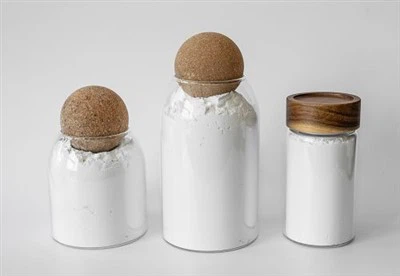
As a supplier of Calcined Diatomite Filter Aid, I am often asked about the moisture content of this remarkable product. In this blog post, I will delve into the significance of moisture content in Calcined Diatomite Filter Aid, its measurement, and how it impacts the performance of the filter aid.
Understanding Calcined Diatomite Filter Aid
Calcined Diatomite Filter Aid is a highly porous, natural material derived from the fossilized remains of diatoms, a type of single-celled algae. These diatoms have intricate silica skeletons that, when processed through calcination (heating at high temperatures), form a lightweight, powdery substance with excellent filtration properties. It is widely used in various industries, including food and beverage, pharmaceuticals, and water treatment, to clarify liquids by removing suspended solids, impurities, and microorganisms.
The Importance of Moisture Content
Moisture content plays a crucial role in the quality and performance of Calcined Diatomite Filter Aid. Here's why:
1. Filtration Efficiency
Excessive moisture in the filter aid can lead to clumping and agglomeration of the diatomite particles. This reduces the surface area available for filtration and can block the pores of the filter medium, resulting in decreased flow rates and lower filtration efficiency. On the other hand, a proper moisture level ensures that the diatomite particles remain well-dispersed, allowing for optimal contact with the liquid being filtered and efficient removal of impurities.
2. Product Stability
Moisture can also affect the chemical and physical stability of the filter aid. High moisture levels can promote the growth of mold and bacteria, which can contaminate the filter aid and the liquid being filtered. Additionally, moisture can cause the diatomite particles to absorb water, leading to swelling and changes in their structure. This can affect the consistency and performance of the filter aid over time.
3. Handling and Storage
The moisture content of the filter aid can impact its handling and storage characteristics. A filter aid with high moisture content may be more difficult to pour and measure accurately, as it can stick to the equipment and containers. It may also require special storage conditions to prevent moisture absorption and maintain its quality. In contrast, a filter aid with a low and stable moisture content is easier to handle and store, reducing the risk of product degradation.
Measuring Moisture Content
There are several methods available for measuring the moisture content of Calcined Diatomite Filter Aid. The most common methods include:


1. Oven Drying Method
This is the traditional and widely used method for measuring moisture content. A sample of the filter aid is weighed and then placed in an oven at a specific temperature (usually around 105°C) for a set period of time until a constant weight is achieved. The difference in weight before and after drying represents the moisture content of the sample.
2. Moisture Analyzers
Moisture analyzers are modern instruments that use infrared or microwave technology to quickly and accurately measure the moisture content of a sample. These analyzers are more convenient and faster than the oven drying method, making them suitable for on-site quality control and rapid analysis.
3. Karl Fischer Titration
Karl Fischer titration is a highly accurate method for measuring trace amounts of moisture in a sample. It involves the reaction of water with a Karl Fischer reagent, which is then titrated with a standard solution to determine the amount of water present. This method is particularly useful for measuring the moisture content of samples with low moisture levels.
Optimal Moisture Content Range
The optimal moisture content range for Calcined Diatomite Filter Aid depends on several factors, including the specific application, the type of filter medium used, and the desired filtration performance. Generally, the moisture content of high-quality filter aid should be kept below 1%. However, in some applications, a slightly higher moisture content may be acceptable as long as it does not affect the filtration efficiency and product stability.
Our Commitment to Quality
As a leading supplier of Calcined Diatomite Filter Aid, we are committed to providing our customers with high-quality products that meet the strictest industry standards. We use state-of-the-art manufacturing processes and quality control measures to ensure that our filter aid has a consistent and low moisture content. Our products are regularly tested using advanced analytical techniques to verify their moisture content and other quality parameters.
In addition to our focus on quality, we also offer a wide range of Calcined Diatomite Filter Aid products to meet the diverse needs of our customers. Our product portfolio includes Food Grade Diatomite Filter Aid, which is specifically designed for use in the food and beverage industry, Diatomite For Filtration, which is suitable for general filtration applications, and Absorbent Diatomaceous Earth Filter Aid, which has excellent absorbent properties.
Contact Us for Procurement
If you are interested in learning more about our Calcined Diatomite Filter Aid products or have any questions about moisture content or other quality parameters, please do not hesitate to contact us. Our team of experts is available to provide you with detailed information and technical support to help you choose the right filter aid for your specific application. We look forward to the opportunity to work with you and provide you with the highest quality products and services.
References
- ASTM International. (Year). Standard test methods for moisture content of diatomaceous earth products. ASTM D280 - XX.
- Smolik, G. R., & Kratzer, F. H. (Year). Diatomite: A versatile industrial mineral. Industrial Minerals & Rocks.
- Wei, Y., & Sun, Y. (Year). Influence of moisture content on the filtration performance of diatomite filter aid. Journal of Environmental Science and Health, Part A.