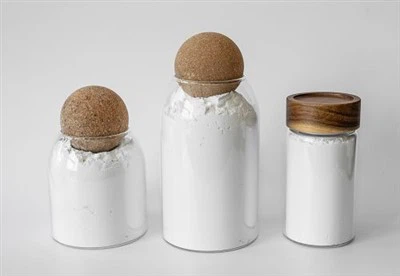
Flux calcined kieselguhr, also known as flux calcined diatomaceous earth, is a remarkable material with a wide range of industrial applications. As a supplier of this high - quality product, I often receive inquiries about its various properties, one of the most crucial being its resistance to thermal shock. In this blog, we will delve into what thermal shock resistance means for flux calcined kieselguhr and how it impacts its usability in different industries.
Understanding Thermal Shock
Thermal shock occurs when a material is subjected to a rapid change in temperature. This sudden temperature shift can create significant internal stress within the material. If the material cannot withstand these stresses, it may crack, break, or experience a loss of its structural integrity. For materials used in high - temperature processes or those exposed to fluctuating temperatures, thermal shock resistance is a vital characteristic.
Factors Affecting the Thermal Shock Resistance of Flux Calcined Kieselguhr
Physical Structure
Flux calcined kieselguhr has a unique porous structure. The diatoms, which are the microscopic algae that form the basis of kieselguhr, have intricate and well - defined shapes. During the flux calcination process, these structures are modified in a way that enhances the material's ability to handle thermal stress. The pores in the material act as buffers, allowing the material to expand and contract to some extent without causing significant internal damage. When the temperature changes rapidly, the porous structure can absorb the energy associated with the expansion or contraction, reducing the likelihood of cracking.


Chemical Composition
The chemical composition of flux calcined kieselguhr also plays a significant role in its thermal shock resistance. The presence of certain minerals and elements in the material can influence its thermal properties. For example, the addition of fluxes during the calcination process can alter the melting point and thermal expansion coefficient of the kieselguhr. A lower thermal expansion coefficient means that the material will expand and contract less with temperature changes, reducing the internal stress and improving its resistance to thermal shock.
Calcination Conditions
The conditions under which the kieselguhr is flux calcined are crucial. The temperature, duration, and atmosphere during calcination can all affect the final properties of the product. A well - controlled calcination process can optimize the physical and chemical structure of the kieselguhr, resulting in a material with enhanced thermal shock resistance. For instance, a slow and gradual increase in temperature during calcination can allow the material to form a more stable structure, better equipped to handle thermal stress.
Testing the Thermal Shock Resistance of Flux Calcined Kieselguhr
There are several methods to test the thermal shock resistance of flux calcined kieselguhr. One common approach is the water - quenching test. In this test, a sample of the kieselguhr is heated to a specific high temperature and then rapidly cooled by plunging it into cold water. After the quenching, the sample is examined for cracks or other signs of damage. The number and size of the cracks can be used to quantify the material's thermal shock resistance.
Another method is the cyclic thermal shock test. In this test, the sample is subjected to multiple cycles of heating and cooling. Each cycle consists of a rapid increase in temperature followed by a rapid decrease. By monitoring the physical and mechanical properties of the sample after each cycle, such as its strength and porosity, we can assess how well the material withstands repeated thermal shocks.
Applications and the Importance of Thermal Shock Resistance
Industrial Diatomaceous Earth
In industrial applications, Industrial Diatomaceous Earth is often used in high - temperature processes. For example, in the production of ceramics, flux calcined kieselguhr can be used as a filler or additive. The ability of the kieselguhr to resist thermal shock is essential in this context because ceramics are often fired at high temperatures and then cooled rapidly. If the kieselguhr in the ceramic mixture cannot withstand the thermal shock, it can cause the ceramic to crack or break, leading to a decrease in product quality and an increase in production costs.
Diatomite Filter Aid for Sugar
Diatomite Filter Aid for Sugar is another important application. In the sugar refining process, the filtration step often involves hot sugar solutions. The flux calcined kieselguhr used as a filter aid needs to maintain its structural integrity during the filtration process, even when exposed to hot liquids. Good thermal shock resistance ensures that the kieselguhr does not break down under the thermal stress, which is crucial for efficient filtration and high - quality sugar production.
Flux Calcined Diatomaceous Earth
Flux Calcined Diatomaceous Earth is also used in the production of refractory materials. Refractory materials are designed to withstand high temperatures and thermal shock in applications such as furnaces and kilns. The thermal shock resistance of flux calcined kieselguhr makes it a valuable component in refractory mixtures, as it helps to improve the overall durability and performance of the refractory products.
Maintaining and Enhancing Thermal Shock Resistance
To ensure that the flux calcined kieselguhr maintains its thermal shock resistance over time, proper storage and handling are essential. The material should be stored in a dry environment to prevent moisture absorption, which can weaken its structure. During transportation and handling, care should be taken to avoid mechanical damage, as even small cracks or fractures can reduce the material's ability to withstand thermal shock.
In some cases, further treatments can be applied to enhance the thermal shock resistance of flux calcined kieselguhr. For example, surface coatings can be applied to the material to improve its thermal stability. These coatings can act as a barrier, reducing the direct impact of temperature changes on the kieselguhr and providing an additional layer of protection.
Conclusion
The resistance of flux calcined kieselguhr to thermal shock is a critical property that determines its suitability for a wide range of industrial applications. Its unique physical structure, chemical composition, and the carefully controlled calcination process all contribute to its ability to withstand rapid temperature changes. Through proper testing, storage, and handling, we can ensure that the material maintains its thermal shock resistance and continues to perform effectively in various applications.
If you are interested in learning more about our high - quality flux calcined kieselguhr products or have any specific requirements for your industrial processes, we encourage you to reach out for a procurement discussion. We are committed to providing you with the best solutions tailored to your needs.
References
- ASTM International. (Year). Standard test methods for thermal shock resistance of advanced ceramics. ASTM C1525 - XX.
- Smith, J. (Year). "The properties and applications of diatomaceous earth." Journal of Industrial Minerals, Volume XX, Issue XX.
- Jones, R. (Year). "Thermal properties of flux calcined materials." Thermal Science and Engineering, Volume XX, Issue XX.