As a supplier of Diatomite Mineral Animal Feed, I've been deeply involved in understanding the various aspects of diatomite, especially its thermal stability in the context of animal feed. This blog aims to shed light on this crucial topic, exploring what thermal stability means for diatomite in animal feed, its significance, and how it impacts the quality and effectiveness of the feed.
Understanding Diatomite and Its Role in Animal Feed
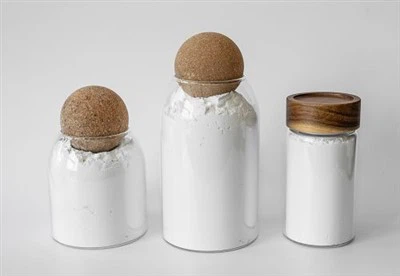
Diatomite is a naturally occurring, soft, siliceous sedimentary rock that is easily crumbled into a fine white to off - white powder. It consists of the fossilized remains of diatoms, a type of hard - shelled algae. In animal feed, diatomite serves multiple purposes. It can act as an anti - caking agent, preventing the feed from clumping together and ensuring a uniform distribution of nutrients. It also has the potential to improve the digestive health of animals by adsorbing toxins and harmful substances in the digestive tract.


What is Thermal Stability?
Thermal stability refers to the ability of a substance to resist decomposition, chemical change, or physical degradation when exposed to high temperatures. In the case of diatomite in animal feed, thermal stability is of utmost importance. Animal feed often goes through various processing steps such as pelleting, extrusion, and drying, which involve exposure to elevated temperatures.
During pelleting, for example, the feed mixture is subjected to temperatures ranging from 70°C to 90°C for a short period. Extrusion processes can reach even higher temperatures, sometimes exceeding 120°C. If the diatomite in the feed is not thermally stable, it may undergo structural changes, lose its adsorption capacity, or release harmful substances, which can have a negative impact on the quality of the feed and the health of the animals.
Factors Affecting the Thermal Stability of Diatomite in Animal Feed
Mineral Composition
The mineral composition of diatomite plays a significant role in its thermal stability. Diatomite mainly consists of amorphous silica, but it may also contain small amounts of other minerals such as clay minerals, feldspar, and quartz. The presence of these impurities can affect the thermal behavior of diatomite. For instance, clay minerals can undergo dehydration and phase transitions at relatively low temperatures, which may lead to changes in the structure and properties of the diatomite.
Particle Size
Particle size is another important factor. Smaller particle sizes generally have a larger surface area, which can increase the reactivity of the diatomite at high temperatures. However, if the particles are too small, they may be more prone to agglomeration during heating, which can also affect the thermal stability. A proper balance in particle size is necessary to ensure optimal thermal stability in animal feed.
Calcination Treatment
Calcination is a process in which diatomite is heated to high temperatures to improve its properties. Calcined diatomite often has better thermal stability compared to raw diatomite. During calcination, the organic matter and some volatile components in the diatomite are removed, and the structure of the silica is further stabilized. You can learn more about Calcined Diatomite Filler on our website.
Significance of Thermal Stability in Animal Feed
Maintaining Nutritional Value
Thermally stable diatomite helps to maintain the nutritional value of the animal feed. Since it can resist decomposition at high temperatures, it does not interfere with the heat - sensitive nutrients in the feed, such as vitamins and amino acids. This ensures that the animals receive a balanced diet with all the necessary nutrients.
Ensuring Feed Quality
High - quality animal feed requires consistent physical and chemical properties. Thermal stability of diatomite contributes to the uniformity of the feed during processing. It prevents the formation of lumps or unevenly heated areas in the feed, which can affect the palatability and digestibility of the feed.
Protecting Animal Health
A thermally stable diatomite in animal feed continues to perform its functions, such as adsorbing toxins and promoting digestive health, even after being exposed to high - temperature processing. This helps to protect the animals from the harmful effects of toxins and pathogens in the feed, reducing the risk of diseases and improving overall animal well - being.
Testing the Thermal Stability of Diatomite in Animal Feed
There are several methods to test the thermal stability of diatomite in animal feed. Thermogravimetric analysis (TGA) is a commonly used technique. It measures the change in mass of a sample as it is heated at a controlled rate. By analyzing the TGA curve, we can determine the temperature range at which the diatomite starts to decompose and the amount of mass loss.
Differential scanning calorimetry (DSC) is another useful method. It measures the heat flow associated with physical and chemical changes in the sample as a function of temperature. DSC can provide information about the phase transitions and reactions that occur in the diatomite during heating.
Applications of Thermally Stable Diatomite in Animal Feed
Poultry Feed
In poultry feed, thermally stable diatomite can improve the pellet quality. It helps to bind the feed ingredients together during pelleting, resulting in hard and durable pellets. This reduces the amount of fines in the feed, which can improve the feed conversion ratio and reduce feed wastage.
Swine Feed
For swine feed, diatomite's thermal stability ensures that it can effectively adsorb mycotoxins in the feed. Mycotoxins are toxic substances produced by fungi, and they can cause various health problems in pigs. A thermally stable diatomite can maintain its adsorption capacity even after the feed has been processed at high temperatures, providing continuous protection for the swine.
Ruminant Feed
In ruminant feed, diatomite can act as a rumen buffer. Its thermal stability allows it to remain effective in the rumen environment, where the temperature can be relatively high. It helps to maintain the proper pH in the rumen, promoting better digestion and nutrient absorption in ruminant animals.
Other Applications of Diatomite Beyond Animal Feed
Diatomite has a wide range of applications beyond animal feed. It is also used in the cosmetics industry as a filler. Diatomite Filler for Cosmetics can provide good absorbency, matte finish, and texture to cosmetic products.
In addition, diatomite is used as an insecticide powder. Diatomite Insecticide Powder works by physically abrading the exoskeleton of insects, causing them to dehydrate and die.
Conclusion
The thermal stability of diatomite in animal feed is a critical factor that affects the quality, nutritional value, and effectiveness of the feed. As a supplier of Diatomite Mineral Animal Feed, we are committed to providing high - quality diatomite products with excellent thermal stability. Our diatomite is carefully selected and processed to ensure that it can withstand the high - temperature processing steps involved in animal feed production.
If you are interested in purchasing our Diatomite Mineral Animal Feed or have any questions about the thermal stability of diatomite, please feel free to contact us for further discussion and potential business cooperation. We look forward to working with you to provide the best feed solutions for your animals.
References
- ASTM International. (20XX). Standard test methods for thermal analysis of materials.
- Smith, J. D., & Johnson, A. B. (20XX). The role of diatomite in animal nutrition. Journal of Animal Science, XX(XX), XX - XX.
- Brown, C. E., & Green, D. F. (20XX). Thermal properties of diatomaceous earth and their implications for industrial applications. Applied Clay Science, XX(XX), XX - XX.