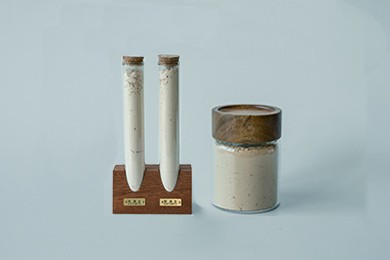
Hey there! I'm a supplier of Calcined Diatomaceous Earth, and today I wanna chat about how this amazing stuff works in waste management.
What is Calcined Diatomaceous Earth?
First off, let's get to know what Calcined Diatomaceous Earth is. It's made from the fossilized remains of diatoms, which are tiny aquatic organisms. These diatoms have hard shells made of silica. When we mine diatomite deposits and then heat them at high temperatures, we get Calcined Diatomaceous Earth. You can learn more about it Calcined Diatomaceous Earth.
How it Helps in Liquid Waste Treatment
One of the big areas where Calcined Diatomaceous Earth shines is in treating liquid waste. Think about wastewater from factories or sewage systems. This stuff is full of all kinds of gunk - suspended solids, heavy metals, and organic matter.
Calcined Diatomaceous Earth has a really cool structure. It's full of tiny pores and channels. When we add it to the liquid waste, it acts like a super - efficient filter. The suspended solids get trapped in these pores. It's like a net catching fish in the water.
For example, in a food processing plant, the wastewater might have bits of food, oils, and other debris. By using Calcined Diatomite Filter Aid, we can remove these solids and make the water cleaner. This not only helps in meeting environmental regulations but also makes it possible to reuse the water in some cases, saving a whole lot of money and resources.
It also helps with removing heavy metals. Metals like lead, mercury, and cadmium are really harmful to the environment and human health. Calcined Diatomaceous Earth has a high surface area, which means there's a lot of space for chemical reactions to happen. The heavy metals can bind to the surface of the diatomite particles. So, when we separate the diatomite from the water, we're also taking out these dangerous metals.
Solid Waste Management
Now, let's talk about solid waste. Landfills are a huge problem. They take up a lot of space, and the waste in them can release harmful gases like methane, which is a powerful greenhouse gas.


Calcined Diatomaceous Earth can be used to improve the conditions in landfills. When we mix it with solid waste, it can help with moisture control. The porous structure of the diatomite can absorb excess moisture. This is important because if the waste is too wet, it can lead to the growth of bacteria and the production of more methane.
It also helps in reducing the odor from landfills. The organic matter in the waste breaks down and releases smelly gases. Calcined Diatomaceous Earth can adsorb these odor - causing molecules, making the area around the landfill more bearable.
Another use in solid waste is in composting. Composting is a great way to turn organic waste into useful fertilizer. But sometimes, the composting process can be slow or produce bad smells. By adding Calcined Diatomaceous Earth, we can speed up the composting process. It provides a good environment for the beneficial bacteria that break down the organic matter. The diatomite also helps in keeping the compost aerated, which is crucial for the bacteria to do their job effectively.
Oil and Grease Spill Cleanup
Oil and grease spills are a major environmental disaster. Whether it's an oil spill in the ocean or a grease spill in a kitchen, they can cause a lot of damage.
Calcined Diatomaceous Earth is a great absorbent for oil and grease. Its porous nature allows it to soak up these substances like a sponge. When we spread it over an oil spill, it quickly absorbs the oil. Then, we can simply collect the diatomite with the absorbed oil and dispose of it properly.
This is much better than some other methods of oil spill cleanup. For example, using chemical dispersants can sometimes cause more harm to the environment. With Calcined Diatomaceous Earth, we're using a natural and relatively safe material to clean up the mess.
Comparison with Other Waste Management Materials
You might be wondering how Calcined Diatomaceous Earth stacks up against other waste management materials. Well, compared to some synthetic filters, it's more environmentally friendly. Synthetic filters are often made from non - renewable resources and can be difficult to dispose of properly.
Calcined Diatomaceous Earth is a natural product. It's abundant in nature, and the mining and processing methods we use are becoming more and more sustainable.
When it comes to cost, it can be a more cost - effective option in the long run. Sure, there might be some upfront costs for purchasing and using it, but considering the benefits like water reuse, reduced landfill problems, and better environmental compliance, it pays off.
Why Choose Our Calcined Diatomaceous Earth
As a supplier, I can tell you that our Calcined Diatomaceous Earth is top - notch. We source our diatomite from high - quality deposits. Our calcination process is carefully controlled to ensure that the final product has the right properties for waste management.
We also offer different grades of Calcined Diatomaceous Earth. Whether you need a fine - grained product for a high - precision filtration job or a coarser one for landfill applications, we've got you covered.
Let's Talk Business
If you're in the waste management industry or dealing with any kind of waste problem, I'd love to have a chat with you. Calcined Diatomaceous Earth can be a game - changer for your operations. It can save you money, help you meet environmental standards, and make your waste management processes more efficient.
So, don't hesitate to reach out. We can discuss your specific needs and see how our Calcined Diatomaceous Earth or Calcined Kieselguhr can fit into your waste management strategy.
References
- "Diatomaceous Earth: Properties and Applications" - A scientific publication on the properties and various uses of diatomaceous earth.
- "Waste Management Handbook" - A comprehensive guide on different waste management techniques and materials.
- Industry reports on the use of natural materials in waste management.