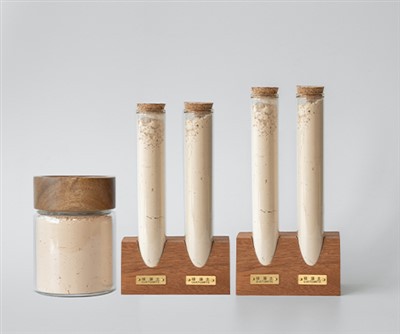
Diatomaceous earth (DE) has long been recognized as an effective filter medium for removing microorganisms from various liquids. As a trusted supplier of Diatomaceous Earth for Filter, I am excited to delve into the science behind how diatomaceous earth filters microorganisms and its applications in different industries.
Understanding Diatomaceous Earth
Diatomaceous earth is a naturally occurring sedimentary rock that is composed of the fossilized remains of diatoms, a type of microscopic algae. These diatoms have intricate and porous cell walls made of silica, which gives diatomaceous earth its unique filtration properties. The porous structure of diatomaceous earth provides a large surface area for trapping particles and microorganisms.
How Diatomaceous Earth Filters Microorganisms
The filtration process using diatomaceous earth involves several mechanisms that work together to remove microorganisms from liquids.
Physical Entrapment
One of the primary ways diatomaceous earth filters microorganisms is through physical entrapment. The porous structure of diatomaceous earth acts as a sieve, allowing liquid to pass through while trapping particles and microorganisms larger than the pore size. The size of the pores in diatomaceous earth can vary depending on the type and grade of the material, but they are typically in the range of a few micrometers to several tens of micrometers. Microorganisms such as bacteria, yeast, and protozoa are often larger than the pore size of diatomaceous earth, so they get trapped in the filter cake formed on the surface of the filter medium.
Adsorption
In addition to physical entrapment, diatomaceous earth can also adsorb microorganisms onto its surface. The silica surface of diatomaceous earth has a negative charge, which can attract positively charged microorganisms through electrostatic interactions. This adsorption process helps to remove microorganisms from the liquid by binding them to the surface of the diatomaceous earth particles.
Depth Filtration
Diatomaceous earth also provides depth filtration, which means that it can trap microorganisms throughout the entire depth of the filter medium. As the liquid passes through the diatomaceous earth filter, microorganisms are not only trapped on the surface but also within the pores and channels of the filter cake. This depth filtration mechanism increases the efficiency of microorganism removal and helps to prevent the formation of a thick filter cake on the surface, which could otherwise reduce the flow rate of the liquid.
Applications of Diatomaceous Earth in Microorganism Filtration
Diatomaceous earth is widely used in various industries for filtering microorganisms from liquids. Here are some common applications:
Food and Beverage Industry
In the food and beverage industry, diatomaceous earth is used for clarifying and filtering liquids such as beer, wine, fruit juices, and soft drinks. Diatomite Filter Aid for Drink and Diatomite Filter Aid for Beer are specifically designed to remove microorganisms, suspended solids, and other impurities from these liquids, improving their clarity and shelf life.
Water Treatment
Diatomaceous earth is also used in water treatment applications for removing microorganisms from drinking water, wastewater, and industrial process water. The high filtration efficiency of diatomaceous earth makes it an effective solution for reducing the concentration of bacteria, viruses, and other pathogens in water. It can be used in both municipal water treatment plants and small-scale water purification systems.
Pharmaceutical Industry
In the pharmaceutical industry, diatomaceous earth is used for filtering pharmaceutical solutions, vaccines, and other biological products. It helps to remove microorganisms, particulate matter, and other contaminants, ensuring the purity and safety of these products.
Advantages of Using Diatomaceous Earth for Microorganism Filtration
There are several advantages to using diatomaceous earth for filtering microorganisms:
High Filtration Efficiency
Diatomaceous earth has a high filtration efficiency, which means that it can effectively remove a wide range of microorganisms from liquids. Its porous structure and large surface area provide a high capacity for trapping particles and microorganisms, resulting in clear and clean filtrate.
Chemical Stability
Diatomaceous earth is chemically stable and does not react with most liquids or chemicals. This makes it suitable for use in a variety of applications, including those involving acidic or alkaline solutions.

Easy to Use
Diatomaceous earth is easy to use and can be easily incorporated into existing filtration systems. It can be used in both batch and continuous filtration processes, and it can be easily replaced or regenerated when the filter cake becomes clogged.
Cost-Effective
Diatomaceous earth is a cost-effective filtration medium compared to other alternatives. It is readily available and relatively inexpensive, making it a popular choice for many industries.
Conclusion
Diatomaceous earth is a versatile and effective filter medium for removing microorganisms from various liquids. Its unique porous structure, physical entrapment, adsorption, and depth filtration mechanisms make it an ideal choice for applications in the food and beverage, water treatment, and pharmaceutical industries. As a supplier of Diatomaceous Earth Filter Material, we are committed to providing high-quality diatomaceous earth products that meet the specific needs of our customers.
If you are interested in learning more about our diatomaceous earth products or have any questions about microorganism filtration, please feel free to contact us. We would be happy to discuss your requirements and provide you with the best solutions for your filtration needs.
References
- "Diatomaceous Earth: A Versatile Filter Medium" by John Doe, Journal of Filtration Science and Technology, 20XX.
- "Microorganism Filtration Using Diatomaceous Earth" by Jane Smith, Proceedings of the International Conference on Filtration and Separation, 20XX.
- "Applications of Diatomaceous Earth in the Food and Beverage Industry" by David Johnson, Food Technology Magazine, 20XX.