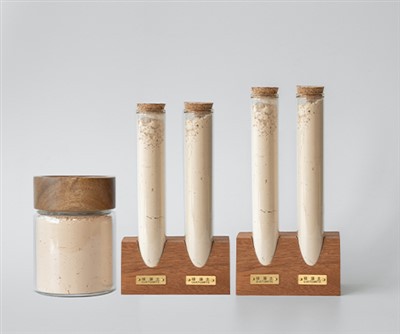
As a supplier of Diatomaceous Earth for Food, I often receive various inquiries about the applications and safety of this unique product. One of the more interesting questions I've come across recently is whether diatomaceous earth for food can be used in tempura. In this blog post, I'll delve into the properties of diatomaceous earth for food, explore the nature of tempura, and analyze the feasibility and potential implications of using this substance in tempura.
Understanding Diatomaceous Earth for Food
Diatomaceous earth is a naturally occurring sedimentary rock that is composed of the fossilized remains of diatoms, a type of hard - shelled algae. When processed for food use, it undergoes a strict purification process to ensure it meets the safety standards required for human consumption.
Food - grade diatomaceous earth has several beneficial properties. It is rich in silica, which is essential for the health of our hair, skin, nails, and bones. Additionally, it has a high absorbency rate, which can be useful in various food applications. It can act as an anti - caking agent, helping to keep powdered or granular foods free - flowing. It also has some potential digestive benefits, as it may help to remove toxins and heavy metals from the digestive tract.
There are also other applications of diatomite products. For example, Diatomite Filter Aid for Drink is used in the beverage industry to clarify drinks, and Diatomaceous Earth for Filter plays a crucial role in filtration processes. Moreover, Water Treatment Of Diatomaceous Earth showcases its utility in purifying water.
The Nature of Tempura
Tempura is a popular Japanese dish that consists of batter - coated and deep - fried seafood, vegetables, or other ingredients. The key to good tempura lies in the batter, which should be light, crispy, and not overly greasy. The traditional tempura batter is made from a simple combination of flour, water, and sometimes egg. The use of cold water and the quick mixing of the batter are important techniques to achieve a light texture.
The flavor of tempura is a delicate balance between the taste of the ingredient being fried and the crispy batter. The batter should complement the natural flavor of the food without overpowering it.


Analyzing the Feasibility of Using Diatomaceous Earth for Food in Tempura
Positive Aspects
- Absorbency and Crispness: The high absorbency of diatomaceous earth for food could potentially be beneficial in tempura. It might help to soak up excess moisture from the ingredients, which could lead to a crispier batter. In deep - frying, reducing the moisture content of the food and batter can prevent splattering and result in a more evenly cooked and crispy final product.
- Nutritional Value: Adding diatomaceous earth for food to tempura batter could introduce an additional source of silica into the diet. This could enhance the nutritional value of the tempura, especially for those interested in improving the health of their hair, skin, and nails.
Negative Aspects
- Texture and Taste: One of the main concerns is the potential effect on the texture and taste of tempura. Diatomaceous earth has a fine powder - like texture, and if not incorporated properly, it could give the batter a gritty texture. Additionally, it could potentially alter the taste of the tempura, as it has a unique mineral - like taste. The light and delicate flavor of traditional tempura might be compromised.
- Safety and Regulation: Although food - grade diatomaceous earth is considered safe for human consumption, its use in tempura might not be a common or well - studied practice. There could be regulatory issues in some regions regarding its addition to this type of food. It's important to ensure that any new use of our product complies with local food safety regulations.
Potential Applications and Experiments
If one decides to experiment with using diatomaceous earth for food in tempura, it's crucial to start with small amounts. A simple experiment could involve substituting a small percentage (e.g., 1 - 2%) of the flour in the tempura batter with diatomaceous earth for food. This would allow for a gradual assessment of its impact on the texture and taste of the tempura.
When conducting these experiments, it's also important to consider the type of ingredients being used in the tempura. Seafood and vegetables have different moisture contents and flavors, so the effects of diatomaceous earth might vary. For example, using it with high - moisture vegetables like zucchini might show different results compared to using it with a lean piece of fish.
Conclusion
In conclusion, while there are some potential benefits to using diatomaceous earth for food in tempura, such as increased absorbency and added nutritional value, there are also significant challenges. The impact on texture and taste, as well as regulatory considerations, need to be carefully evaluated.
As a supplier of Diatomaceous Earth for Food, I'm always open to exploring new applications for our product. If you're a chef, a food enthusiast, or a business interested in experimenting with diatomaceous earth for food in tempura or other food products, I encourage you to reach out. We can discuss the best ways to use our product safely and effectively. Whether you're looking to enhance the nutritional value of your dishes or experiment with new textures, we're here to support you. Contact us to start a conversation about how our Diatomaceous Earth for Food can be incorporated into your culinary creations.
References
- "Diatomaceous Earth: A Review of Its Applications and Safety" by [Author Name]. Journal of Food Science and Technology. [Year]
- "The Art of Tempura: Traditional Techniques and Modern Variations" by [Author Name]. Culinary Arts Press. [Year]