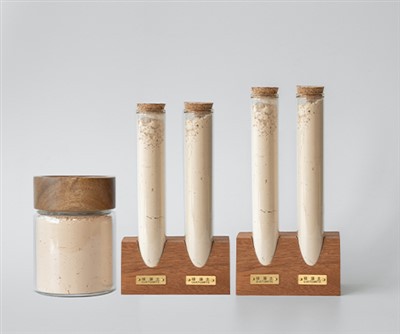
Filtration is a crucial process in the drink industry, and diatomite filter aid has long been recognized as a practical solution. As a proud supplier of Diatomite Filter Aid for Drink, I'm often asked about the filtration capacity of diatomite filter aid per unit time. In this blog post, I'll delve into the scientific factors that influence this capacity and explore how it plays a role in the drink production process.
Understanding Diatomite Filter Aid
Diatomite is a naturally - occurring sedimentary rock composed mainly of fossilized diatoms. When processed into a filter aid, it has a unique porous structure that allows it to trap impurities while allowing the liquid to pass through. The use of Diatomite Filter Aid can significantly improve the clarity and quality of drinks, making it a popular choice in breweries, wineries, and soft - drink manufacturers. For more information about Diatomite Filter Aid, you can refer to Diatomite Filter Aid.
Factors Affecting Filtration Capacity per Unit Time
Pore Structure
The pore size and distribution within diatomite filter aid are critical factors. A filter aid with a more uniform pore size distribution and a higher porosity can generally achieve a greater filtration rate. Smaller pores can trap finer particles, but they may also cause the filter to clog more quickly, reducing the overall filtration capacity per unit time. On the other hand, larger pores allow for faster flow but may not trap all the desired impurities. Manufacturers carefully control the pore structure during the production process to balance the need for high - capacity filtration and effective impurity removal.

Diatomite Grade
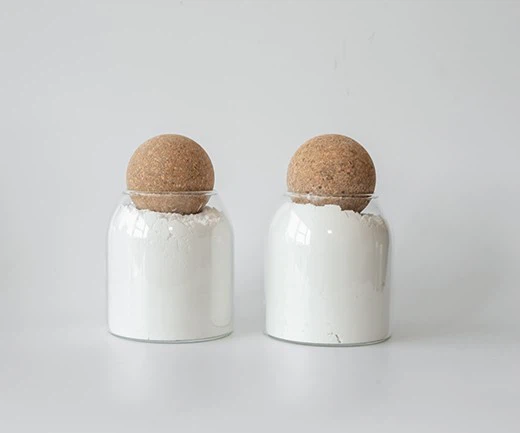
There are different grades of diatomite filter aid, each specifically designed for different applications. Higher - grade diatomite usually has better filtration performance. For drink filtration, the grade is often selected based on the type of beverage and the level of impurities. For example, in brewing beer, a specific grade of diatomite might be used to remove yeast and other solids, while in wine production, a different grade may be more suitable to clarify the wine without affecting its flavor.
Feed Liquid Characteristics
The properties of the drink being filtered also have a significant impact on the filtration capacity of diatomite filter aid. Factors such as viscosity, particle concentration, and particle size in the feed liquid all play a role. A more viscous liquid will flow more slowly through the filter, reducing the filtration capacity per unit time. Similarly, a high concentration of particles can quickly clog the filter pores, causing a decrease in the filtration rate.
Cake Formation
As the filtration process continues, a filter cake is formed on the filter surface. This cake consists of the trapped particles and the filter aid itself. The properties of this cake, such as its thickness, density, and permeability, will affect the filtration capacity. A thick and dense cake can impede the flow of the liquid, while a more permeable cake allows for a faster flow rate. Maintaining an optimal cake thickness and structure is crucial for achieving a high filtration capacity per unit time.
Measuring Filtration Capacity per Unit Time
The filtration capacity of diatomite filter aid for drink per unit time is typically measured in terms of volume of liquid filtered per unit area of the filter medium over a specific period. The units commonly used are liters per square meter per hour (L/m²/h) or gallons per square foot per hour (gal/ft²/h).
To measure this capacity accurately, a series of laboratory tests are usually performed. A sample of the drink, along with the appropriate amount of diatomite filter aid, is placed in a filtration apparatus. The flow rate of the liquid through the filter is then measured over time. These tests are often repeated under different conditions to determine the optimal filtration parameters.
Applications in the Drink Industry
In the beer industry, diatomite filter aid is used to clarify the beer by removing yeast, proteins, and other solids. The high filtration capacity per unit time allows breweries to process large volumes of beer efficiently. This is essential for meeting the high - demand production schedules of commercial breweries.
In the wine industry, diatomite filter aid helps to remove sediment and unwanted particles, resulting in a clear and visually appealing wine. The ability to filter wine quickly and effectively is important for maintaining the quality of the wine and ensuring its timely bottling.
Soft - drink manufacturers also rely on diatomite filter aid to remove impurities from their products. Whether it's removing suspended solids from fruit juices or clarifying carbonated beverages, the high - speed filtration provided by diatomite filter aid is invaluable.
The Role in Water Treatment of the Drink Industry
Water is a major component in the production of drinks. The quality of the water used can significantly affect the taste and quality of the final product. Water Treatment Of Diatomaceous Earth plays an important role in ensuring the purity of the water used in the drink industry. Diatomite filter aid can effectively remove contaminants such as bacteria, algae, and suspended solids from the water. The filtration capacity per unit time is crucial in large - scale drink production facilities, where a continuous and sufficient supply of clean water is required.
Our Diatomite Product - Diatomite Of Shengtai
At our company, we are committed to providing high - quality Diatomite Filter Aid for the drink industry. Our Diatomite Of Shengtai is carefully processed to ensure a consistent pore structure and high filtration capacity. We understand the specific requirements of different drink manufacturers and can provide customized solutions to meet their needs.
Conclusion
The filtration capacity of diatomite filter aid for drink per unit time is influenced by multiple factors, including pore structure, diatomite grade, feed liquid characteristics, and cake formation. Understanding these factors is essential for optimizing the filtration process and achieving high - quality drink production.
If you are in the drink industry and looking for a reliable diatomite filter aid supplier, we would be delighted to discuss your requirements. Our team of experts can provide you with in - depth technical support and help you select the most suitable diatomite filter aid for your specific application. Contact us today to start a productive discussion about your filtration needs.
References
- "Filtration Principles and Practices" by Andre Rushton, Alastair S. Ward, and Richard G. Holdich
- "Diatomite - Based Filter Aids: Properties and Applications" in the Journal of Industrial and Engineering Chemistry Research