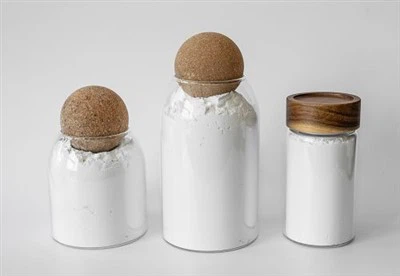
As a supplier of Diatomite Mineral Animal Feed, I've witnessed the growing interest in understanding how diatomite minerals interact with enzymes in animal feed. This interaction is crucial as it can significantly impact the nutritional value, digestibility, and overall health of the animals consuming the feed. In this blog post, I'll delve into the science behind this interaction and explore its implications for animal nutrition.
Understanding Diatomite Minerals
Diatomite is a sedimentary rock composed of the fossilized remains of diatoms, a type of single-celled algae. These diatoms have a unique silica-based cell wall, which gives diatomite its characteristic porous structure. This porosity is one of the key features that make diatomite valuable in various applications, including animal feed.


The high surface area-to-volume ratio of diatomite particles allows them to adsorb and retain a variety of substances, including enzymes. Additionally, diatomite is rich in trace minerals such as calcium, magnesium, and iron, which are essential for animal health. These minerals can also play a role in the interaction between diatomite and enzymes in animal feed.
The Role of Enzymes in Animal Feed
Enzymes are biological catalysts that speed up chemical reactions in the body. In animal feed, enzymes are added to improve the digestibility of feed ingredients, enhance nutrient utilization, and reduce the environmental impact of animal production. Common enzymes used in animal feed include proteases, amylases, lipases, and phytases.
Proteases break down proteins into smaller peptides and amino acids, making them more easily absorbed by the animal's digestive system. Amylases break down starch into simple sugars, while lipases break down fats into fatty acids and glycerol. Phytases are particularly important in monogastric animals such as pigs and poultry, as they help to release phosphorus from phytate, a form of phosphorus that is otherwise unavailable to the animal.
Interaction Mechanisms between Diatomite and Enzymes
There are several ways in which diatomite minerals can interact with enzymes in animal feed. One of the primary mechanisms is adsorption. The porous structure of diatomite provides a large surface area for enzymes to bind to. This adsorption can protect the enzymes from degradation in the harsh environment of the animal's digestive tract, allowing them to remain active for longer periods of time.
In addition to adsorption, diatomite can also affect the activity of enzymes through its mineral content. The trace minerals present in diatomite can act as cofactors for enzymes, enhancing their catalytic activity. For example, calcium is required for the activity of many proteases, while magnesium is important for the function of amylases. By providing these essential minerals, diatomite can help to optimize the performance of enzymes in animal feed.
Another potential interaction mechanism is the physical protection of enzymes by diatomite particles. The porous structure of diatomite can act as a barrier, shielding enzymes from mechanical stress and other factors that could potentially inactivate them. This physical protection can help to ensure that the enzymes remain intact and functional as they pass through the animal's digestive system.
Benefits of the Interaction between Diatomite and Enzymes
The interaction between diatomite and enzymes in animal feed offers several benefits for animal health and performance. By protecting enzymes from degradation and enhancing their activity, diatomite can improve the digestibility of feed ingredients. This leads to better nutrient utilization, which can result in increased growth rates, improved feed conversion ratios, and reduced feed costs.
In addition to improving digestibility, the interaction between diatomite and enzymes can also have a positive impact on animal health. By enhancing the availability of nutrients, diatomite and enzymes can help to support the immune system, reduce the incidence of digestive disorders, and improve overall animal well-being.
Furthermore, the use of diatomite and enzymes in animal feed can have environmental benefits. By improving nutrient utilization, less nutrients are excreted in the animal's manure, reducing the environmental impact of animal production. This can help to meet the growing demand for sustainable and environmentally friendly animal farming practices.
Applications of Diatomite in Different Industries
Diatomite has a wide range of applications beyond animal feed. For example, it is used as a Diatomite Filler for Rubber, where its porous structure and high surface area can improve the mechanical properties and performance of rubber products. In the cosmetics industry, diatomite is used as a Diatomite Filler for Cosmetics due to its absorbent properties and ability to provide a smooth texture. Additionally, diatomite is used as Diatomite Pesticide Special Additives to improve the efficacy and stability of pesticides.
Conclusion
In conclusion, the interaction between diatomite minerals and enzymes in animal feed is a complex and fascinating area of research. By understanding the mechanisms behind this interaction, we can optimize the use of diatomite and enzymes in animal feed to improve animal health, performance, and environmental sustainability.
As a supplier of Diatomite Mineral Animal Feed, I'm committed to providing high-quality products that leverage the benefits of this interaction. If you're interested in learning more about our diatomite-based animal feed products or discussing potential applications for your specific needs, I encourage you to reach out to us for a procurement discussion. We look forward to working with you to enhance the nutrition and well-being of your animals.
References
- Nwokolo, U. U., & Simons, P. C. M. (1998). Enzymes in animal nutrition: an overview. Animal Feed Science and Technology, 75(1-2), 1-13.
- Wang, Y., & Guo, Y. (2018). Effects of diatomite on growth performance, nutrient digestibility, and intestinal microbiota in broilers. Poultry Science, 97(8), 2750-2756.
- Bedford, M. R., & Cowieson, A. J. (2012). Exogenous enzymes in non-ruminant nutrition - their current value and future benefits. Animal Feed Science and Technology, 173(1-2), 1-19.