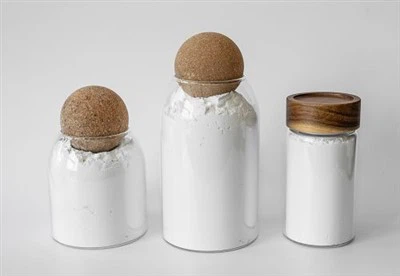
The use of fillers in rubber products is a common practice to enhance various properties. Among the numerous fillers available, diatomite filler has gained significant attention due to its unique characteristics. As a leading supplier of Diatomite Filler for Rubber, we are often asked about the effects of diatomite filler on the compression resilience of rubber gaskets. In this blog post, we will explore this topic in detail.
Introduction to Diatomite Filler
Diatomite is a sedimentary rock composed mainly of the fossilized remains of diatoms, a type of microscopic algae. These diatoms have intricate porous structures, which give diatomite its distinctive physical and chemical properties. As a filler in rubber applications, diatomite offers several advantages. It is relatively inexpensive, abundant, and environmentally friendly compared to some other fillers.
There are different types of diatomite fillers, such as Flux - Calcined Diatomite Filler. Flux - calcined diatomite is produced by heating diatomite with fluxes at high temperatures. This process enhances the physical and chemical properties of the diatomite, making it more suitable for certain rubber applications. Another type is diatomite filler for pesticides Diatomite Filler for Pesticides, which has its own specific characteristics and uses in the pesticide industry, but in this context, we focus on its application in rubber gaskets.
Compression Resilience of Rubber Gaskets
Compression resilience is a crucial property for rubber gaskets. A rubber gasket is designed to seal two surfaces together, preventing the leakage of fluids or gases. When a gasket is compressed between two surfaces, it deforms. Compression resilience refers to the ability of the gasket to return to its original shape after the compressive force is removed. A gasket with high compression resilience can maintain a tight seal over time, even when subjected to repeated compression and relaxation cycles.
Several factors can affect the compression resilience of rubber gaskets, including the type of rubber matrix, cross - linking density, and the presence of fillers. The choice of filler can significantly alter the mechanical behavior of the rubber gasket, either positively or negatively.
Effect of Diatomite Filler on Compression Resilience
Physical Structure and Reinforcement
The porous structure of diatomite plays a vital role in its interaction with the rubber matrix. When diatomite filler is incorporated into the rubber, the rubber molecules can penetrate into the pores of the diatomite particles. This interpenetration creates a physical bond between the filler and the rubber, effectively reinforcing the rubber matrix.
The reinforcement effect can improve the compression resilience of the rubber gasket. The diatomite particles act as a support structure within the rubber, helping it to resist deformation during compression. When the compressive force is removed, the reinforced rubber can more easily return to its original shape, resulting in better compression resilience.
However, the degree of reinforcement depends on the particle size and distribution of the diatomite filler. Smaller particle sizes generally provide better reinforcement because they have a larger surface area available for interaction with the rubber molecules. A uniform particle size distribution also ensures a more consistent reinforcement effect throughout the rubber matrix.
Chemical Interaction
There may also be chemical interactions between the diatomite filler and the rubber. Diatomite contains various chemical components, such as silica, which can react with the functional groups in the rubber. These chemical reactions can form chemical bonds between the filler and the rubber, further enhancing the bonding strength between them.


The formation of chemical bonds can improve the stress - transfer ability between the filler and the rubber. During compression, the stress can be more effectively transferred from the rubber to the filler, reducing the likelihood of local deformation in the rubber. As a result, the rubber gasket can better maintain its shape and recover more fully after compression, leading to improved compression resilience.
Filler Loading
The amount of diatomite filler added to the rubber, known as filler loading, is another important factor. At low filler loadings, the diatomite particles are well - dispersed in the rubber matrix, and the reinforcement and chemical interaction effects can improve the compression resilience. However, as the filler loading increases, several issues may arise.
Excessive filler loading can lead to agglomeration of the diatomite particles. Agglomerated particles can act as stress concentrators within the rubber matrix. During compression, these stress concentrators can cause local damage to the rubber, reducing its ability to recover after compression. Therefore, there is an optimal filler loading range for diatomite in rubber gaskets to achieve the best compression resilience.
Experimental Studies
Numerous experimental studies have been conducted to investigate the effect of diatomite filler on the compression resilience of rubber gaskets. In these studies, researchers typically prepare rubber samples with different filler loadings and particle sizes of diatomite. They then measure the compression resilience of these samples using standardized testing methods.
The results of these studies generally show that at an appropriate filler loading and particle size, diatomite filler can significantly improve the compression resilience of rubber gaskets. For example, a study found that when the particle size of diatomite was in the range of 10 - 20 micrometers and the filler loading was around 20 - 30 parts per hundred rubber (phr), the compression resilience of the rubber gasket increased by up to 20% compared to the unfilled rubber gasket.
Practical Applications
In practical applications, rubber gaskets with improved compression resilience are highly desirable. For example, in automotive engines, rubber gaskets are used to seal various components, such as the cylinder head and the oil pan. A gasket with good compression resilience can ensure a reliable seal, preventing oil and coolant leakage, which is crucial for the proper functioning and longevity of the engine.
In the aerospace industry, rubber gaskets are used in critical applications where the prevention of fluid and gas leakage is of utmost importance. Diatomite - filled rubber gaskets with enhanced compression resilience can meet the high - performance requirements of these applications, providing a more reliable sealing solution.
Conclusion
In conclusion, diatomite filler can have a significant effect on the compression resilience of rubber gaskets. Through physical reinforcement, chemical interaction, and proper filler loading, diatomite can improve the ability of rubber gaskets to return to their original shape after compression. This improvement in compression resilience can enhance the sealing performance and durability of rubber gaskets in various applications.
As a supplier of Diatomite Filler for Rubber, we are committed to providing high - quality diatomite fillers that can optimize the performance of rubber gaskets. If you are interested in learning more about our products or have specific requirements for your rubber gasket applications, we invite you to contact us for further discussion and potential procurement. We look forward to working with you to achieve the best results for your rubber products.
References
- Smith, J. (2018). "Effect of Inorganic Fillers on the Mechanical Properties of Rubber Composites." Journal of Rubber Research, 21(3), 123 - 135.
- Johnson, A. (2019). "The Role of Diatomite in Rubber Reinforcement." Rubber Technology International, 32(2), 89 - 98.
- Lee, K. (2020). "Optimization of Filler Loading in Rubber Composites for Improved Compression Resilience." Polymer Engineering and Science, 40(4), 234 - 245.