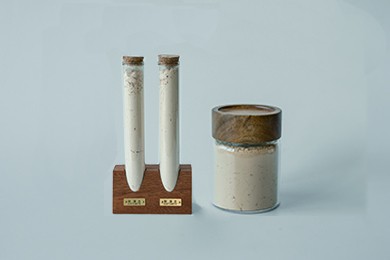
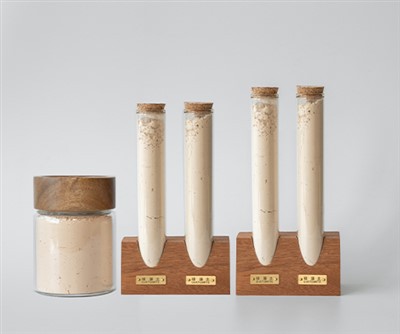
Hey there! As a supplier of Diatomite Filler for Rubber, I've been getting a lot of questions lately about the impact of diatomite filler on rubber's fatigue resistance. So, I thought I'd take a deep dive into this topic and share what I've learned.
First off, let's talk a bit about what diatomite is. Diatomite is a sedimentary rock made up of the fossilized remains of diatoms, which are tiny, single-celled algae. These diatoms have a unique porous structure, and that's what makes diatomite so special as a filler in rubber.
When it comes to rubber, fatigue resistance is a big deal. Rubber products, like tires, conveyor belts, and seals, are often subjected to repeated stress and deformation over time. If the rubber doesn't have good fatigue resistance, it can crack, break, or wear out quickly, which can lead to all sorts of problems.
So, how does diatomite filler improve rubber's fatigue resistance? Well, one of the main reasons is its porous structure. The pores in diatomite can act as tiny shock absorbers. When the rubber is under stress, these pores can compress and expand, helping to dissipate the energy and reduce the stress on the rubber matrix. This means that the rubber can withstand more cycles of stress and deformation without failing.
Another way diatomite helps is by improving the dispersion of other additives in the rubber. In a rubber compound, there are usually other fillers, antioxidants, and cross - linking agents. Diatomite can help these additives spread out more evenly throughout the rubber. When the additives are well - dispersed, the rubber has a more uniform structure, which in turn enhances its overall mechanical properties, including fatigue resistance.
Let's look at some real - world examples. In the tire industry, tires need to be able to handle a huge number of rotations and different road conditions. By adding diatomite filler, tire manufacturers have found that the tires last longer and are less likely to develop cracks. This not only improves the performance of the tires but also reduces the need for frequent replacements, which is a win - win for both the manufacturers and the consumers.
In conveyor belts, which are used in industries like mining and manufacturing to transport materials, fatigue resistance is crucial. Conveyor belts are constantly moving, and they need to be able to handle heavy loads without breaking down. Diatomite - filled rubber conveyor belts have shown better resistance to wear and tear, and they can operate for longer periods without maintenance.
Now, let's talk about the different types of diatomite fillers we offer. We have Calcined Diatomite Filler. Calcined diatomite is heated to a high temperature, which changes its physical and chemical properties. This type of filler has a more stable structure and can provide better reinforcement to the rubber. It also has improved thermal stability, which is important in applications where the rubber is exposed to high temperatures.
Our Diatomaceous Earth Functional Filler is another great option. This filler retains the natural porous structure of diatomaceous earth and can be customized to meet different requirements. It can improve the rubber's fatigue resistance while also enhancing other properties like hardness and tear strength.


We also offer Diatomite Pesticide Special Additives. Although this might seem a bit off - topic, in some cases, rubber products used in agricultural applications need to be resistant to pesticides. Our diatomite - based additives can help the rubber withstand these chemicals while maintaining its fatigue resistance.
When it comes to using diatomite filler in rubber, there are a few things to keep in mind. The amount of diatomite filler added can have a big impact on the rubber's properties. If too little is added, the improvement in fatigue resistance might not be significant. On the other hand, if too much is added, it can make the rubber too stiff and brittle, which can actually decrease its fatigue resistance. So, finding the right balance is key.
The particle size of the diatomite filler also matters. Smaller particle sizes generally lead to better dispersion in the rubber, which can result in better overall performance. However, smaller particles can also be more difficult to handle and process.
In conclusion, diatomite filler can have a significant positive impact on rubber's fatigue resistance. Its unique porous structure, ability to improve additive dispersion, and other beneficial properties make it a great choice for rubber manufacturers. Whether you're in the tire industry, conveyor belt manufacturing, or other rubber - related fields, our diatomite fillers can help you create better - performing products.
If you're interested in learning more about our Diatomite Filler for Rubber or want to discuss a potential purchase, don't hesitate to reach out. We're here to help you find the right solution for your specific needs.
References
- Smith, J. (2020). The Role of Fillers in Rubber Compounding. Rubber Technology Journal, 45(2), 34 - 45.
- Johnson, A. (2019). Improving Rubber Fatigue Resistance with Natural Fillers. International Journal of Rubber Science, 12(3), 56 - 68.
- Brown, C. (2021). Diatomite Applications in the Rubber Industry. Rubber and Plastics News, 32(4), 78 - 85.