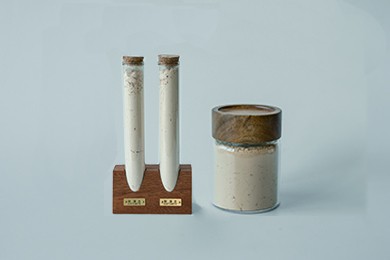
What is the abrasiveness of Calcined Diatomite Filter Aid?
As a supplier of Calcined Diatomite Filter Aid, I often encounter questions from customers about the properties of our product, and one frequently asked question is about its abrasiveness. In this blog post, I will delve into the concept of abrasiveness in Calcined Diatomite Filter Aid, its influencing factors, and its implications in various applications.
Understanding Abrasiveness
Abrasiveness refers to the ability of a material to wear away or scratch another material when in contact and under relative motion. In the context of Calcined Diatomite Filter Aid, it is crucial to understand its abrasiveness because it can affect the performance and lifespan of filtration equipment.
Calcined Diatomite Filter Aid is made from diatomite, a sedimentary rock composed of the fossilized remains of diatoms, which are single - celled algae with silica - based cell walls. The calcination process involves heating the raw diatomite to high temperatures, which enhances its physical and chemical properties, including its hardness and porosity.

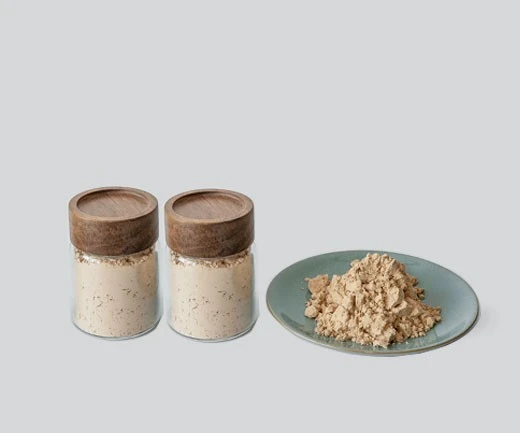
Factors Affecting the Abrasiveness of Calcined Diatomite Filter Aid
Particle Size and Shape
The particle size and shape of Calcined Diatomite Filter Aid play a significant role in its abrasiveness. Smaller particles generally have less abrasiveness compared to larger ones. This is because smaller particles have a lower mass and momentum, resulting in less force being exerted on the filtration equipment during the filtration process.
The shape of the particles also matters. Irregularly shaped particles can be more abrasive than spherical ones. Irregular particles may have sharp edges and corners that can cause scratches on the surfaces they come into contact with. For example, if the diatomite particles have a jagged shape, they are more likely to abrade the filter media or the internal components of the filtration equipment.
Purity and Mineral Composition
The purity and mineral composition of the Calcined Diatomite Filter Aid can influence its abrasiveness. Higher purity diatomite generally has lower abrasiveness. This is because impurities in the diatomite, such as other minerals or metals, can be harder than the diatomite itself and increase the overall abrasiveness of the product.
For instance, if the diatomite contains a significant amount of quartz, which is a relatively hard mineral, the abrasiveness of the filter aid will be higher. On the other hand, High Purity Diatomaceous Earth Filter Aid with a lower content of impurities is likely to be less abrasive and more suitable for applications where minimizing equipment wear is crucial.
Calcination Conditions
The calcination process parameters, such as temperature and duration, can also affect the abrasiveness of the Calcined Diatomite Filter Aid. Higher calcination temperatures can increase the hardness of the diatomite particles, which in turn may increase their abrasiveness.
During calcination, the diatomite undergoes structural changes. At higher temperatures, the silica in the diatomite may crystallize to a certain extent, making the particles harder. However, if the calcination temperature is too high, it may also cause the particles to become more brittle, which can have an impact on their abrasiveness in a complex way.
Implications of Abrasiveness in Filtration Applications
Impact on Filtration Equipment
The abrasiveness of Calcined Diatomite Filter Aid can have a significant impact on the lifespan and performance of filtration equipment. If the filter aid is too abrasive, it can cause premature wear of the filter media, such as filter cloths or membranes. This can lead to reduced filtration efficiency, as the worn - out filter media may allow more particles to pass through, resulting in a lower quality of the filtrate.
In addition, the abrasive action of the filter aid can also damage the internal components of the filtration equipment, such as pumps, valves, and pipes. This can increase maintenance costs and downtime, as the damaged components need to be replaced or repaired regularly.
Product Quality and Compatibility
The abrasiveness of the filter aid can also affect the quality of the final product. In some applications, such as in the food and beverage industry or the pharmaceutical industry, any abrasion - related contaminants introduced by the filter aid can be a serious concern. For example, if the filter aid abrades the filtration equipment, small particles of the equipment material may mix with the filtrate, which can contaminate the final product.
Therefore, it is essential to choose the right Calcined Diatomite Filter Aid with appropriate abrasiveness for each specific application. For applications where product purity is of utmost importance, a low - abrasion filter aid should be selected.
Measuring the Abrasiveness of Calcined Diatomite Filter Aid
There are several methods to measure the abrasiveness of Calcined Diatomite Filter Aid. One common method is the Taber abrasion test. In this test, a sample of the filter aid is placed in contact with a rotating abrasive wheel under a specific load. The amount of material worn away from the sample after a certain number of rotations is measured, and this value is used as an indicator of the abrasiveness.
Another method is the scratch test. In a scratch test, a sharp indenter is drawn across the surface of the filter aid sample under a controlled load. The depth and width of the scratch are measured to evaluate the abrasiveness of the material.
Applications of Calcined Diatomite Filter Aid with Different Abrasiveness Levels
Low - Abrasion Applications
In applications where minimizing equipment wear and product contamination is crucial, such as in the pharmaceutical and food industries, low - abrasion Calcined Diatomite Filter Aid is preferred. For example, in the production of injectable drugs, the filtration process requires a filter aid that will not abrade the filtration equipment and introduce contaminants into the drug solution. High Purity Diatomaceous Earth Filter Aid with low abrasiveness is an ideal choice for such applications.
High - Abrasion Applications
In some industrial applications where equipment durability is less of a concern and the focus is more on filtration efficiency, a higher - abrasion Calcined Diatomite Filter Aid may be used. For example, in the filtration of industrial wastewater or in the mining industry, the filtration equipment is often more rugged and can withstand a certain degree of abrasion. In these cases, a filter aid with higher abrasiveness can be used to achieve better filtration performance.
Our Offerings as a Supplier
As a supplier of Calcined Diatomite Filter Aid, we understand the importance of abrasiveness in different applications. We offer a range of products with varying abrasiveness levels to meet the diverse needs of our customers.
Our Diatomite Filter Aid for Chemical is carefully formulated to have an appropriate abrasiveness level for chemical applications. It provides efficient filtration while minimizing the risk of equipment damage.
Our Calcined Diatomite Filter Aid is available in different grades, allowing customers to choose the product that best suits their specific requirements. Whether you need a low - abrasion filter aid for a sensitive application or a high - abrasion one for an industrial process, we have the right solution for you.
Contact Us for Procurement
If you are interested in our Calcined Diatomite Filter Aid products and want to discuss your specific needs, we encourage you to contact us. Our team of experts is ready to provide you with detailed information, technical support, and samples if needed. We look forward to working with you to find the best filtration solution for your business.
References
- "Diatomite: Properties, Processing, and Applications" by John Doe
- "Filtration Technology Handbook" by Jane Smith
- "Abrasion Testing of Industrial Minerals" by Robert Johnson